Two Queens, one King and the holy Trinity College by the river Cam
October 6th, 2010
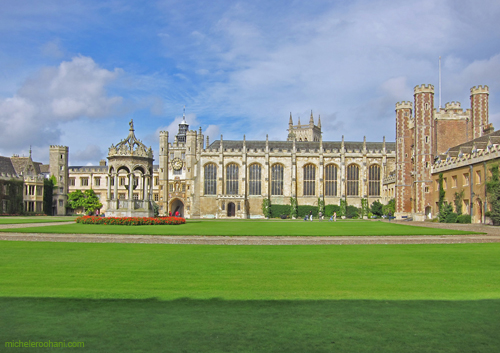
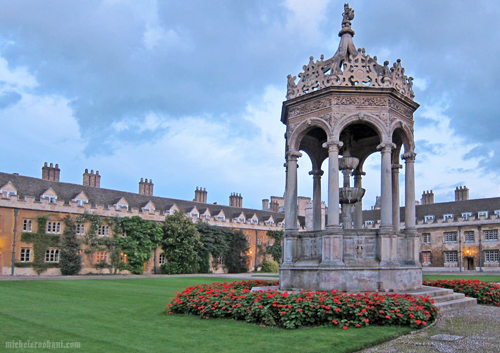
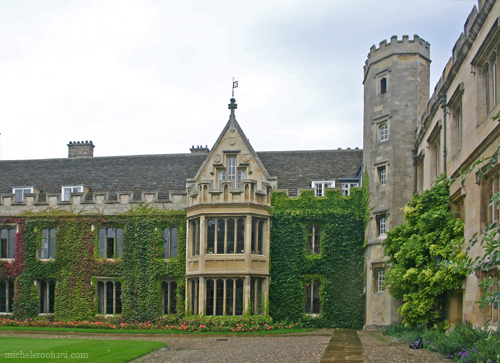
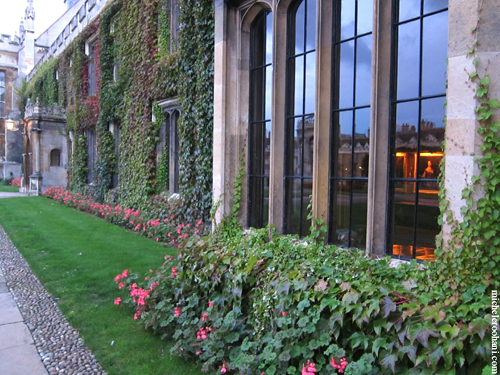
University of Cambridge, England, is one of the oldest universities in the world (800 years old) and is made up of 31 colleges. A college is where students live, eat and socialize. It is also the place where students receive small group teaching sessions, known as supervisions. This post will be about the grandest and most magnificent of these colleges: Trinity College.
I had the best guide to take me around several of these colleges but for this post, Trinity it is. It was founded by Henry VIII in 1546 as part of the University of Cambridge, combining two older colleges that existed since 1317 and 1324:
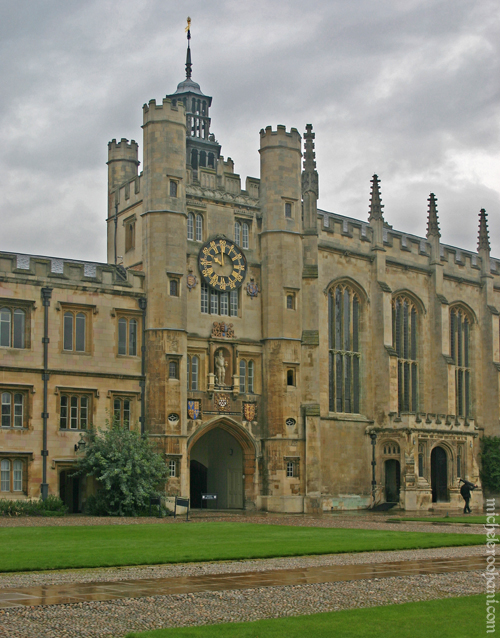
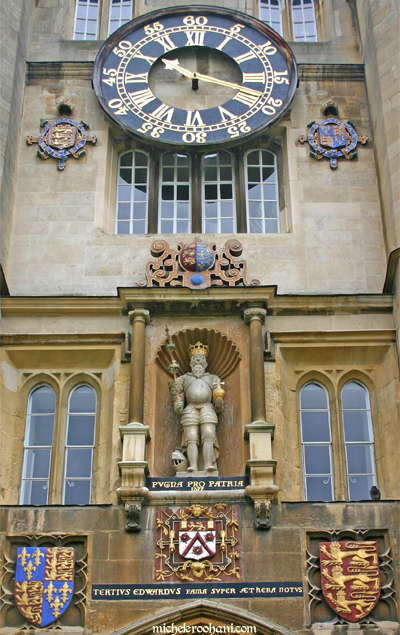
This is the clock gate with a statue of one of the older colleges founders, Edward III (and yes it did take me 20 minutes to walk 20 feet!)
“Pugne pro patria” or fight for your country he’s preaching with a beer belly and three crowns in his hand. Edward III quartered the Royal Arms of England (the three lions) with the ancient arms of France, the fleurs-de-lis on a blue field, to signal his claim to the French throne.
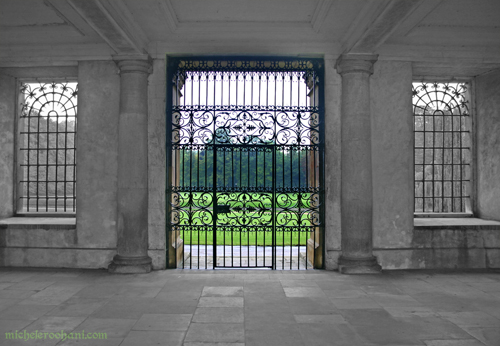
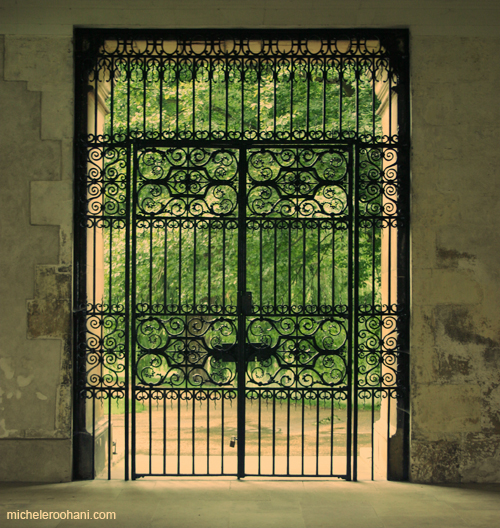
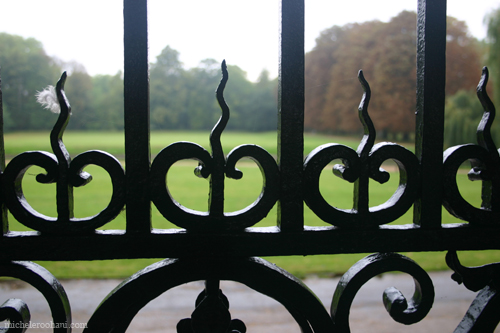
The iron-work of the gates in the Nevile’s court leading to the “backs” is very impressive (I found a funny criticism of the gates in an old book—they were built for a total sum of 4 pounds in 1691):
I love this little feather stuck on these ornaments:
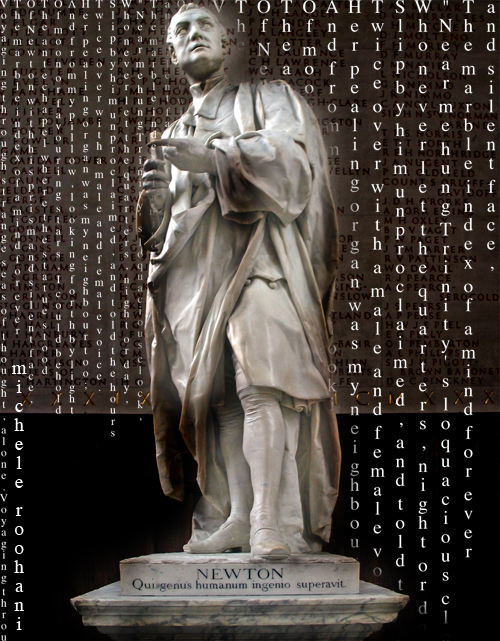
Trinity has many notable alumni but for me its most distinguished is Isaac Newton; this is where he measured the speed of sound (you can still clap your hands and hear the echo):
He is now standing in the college’s chapel:
For the ones who don’t want to decipher the words above, here is William Wordsworth’ poem (1850):
“Near me hung Trinity’s loquacious clock,
Who never let the quarters, night or day,
Slip by him unproclaimed, and told the hours
Twice over with a male and female voice.
Her pealing organ was my neighbour too;
And from my pillow, looking forth by light
Of moon or favouring stars, I could behold
The antechapel where the statue stood
Of Newton with his prism and silent face,
The marble index of a mind for ever
Voyaging through strange seas of thought, alone.”
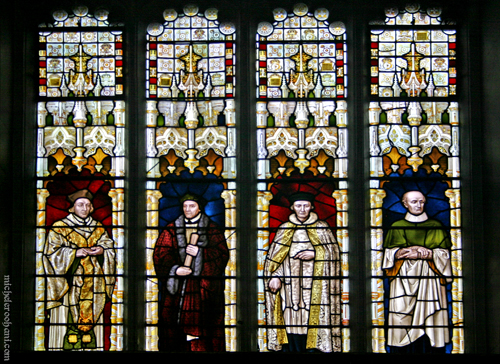
Newton is surrounded by bright minds in the chapel and even A Man for all Seasons. I am almost sure that the second gentleman from the left is Sir Thomas More:
Of course you should first get in the chapel to see all of that!

The most beautiful sight is the Wren library—off limit to cameras—which has exquisite classical proportions and maximizes space and light having bookcases below window level. It has Newton’s own copy of the first edition of Principia Mathematica, with hand written notes for the second edition.
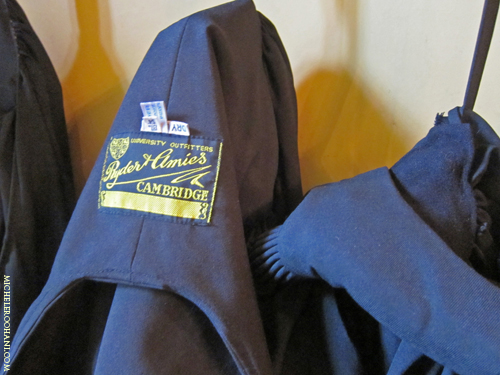
Trinity College undergraduate gowns are dark blue, as opposed to the black favored by most other Cambridge colleges:
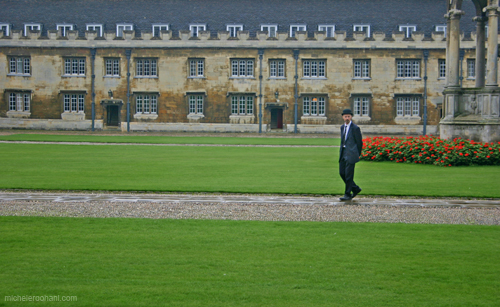
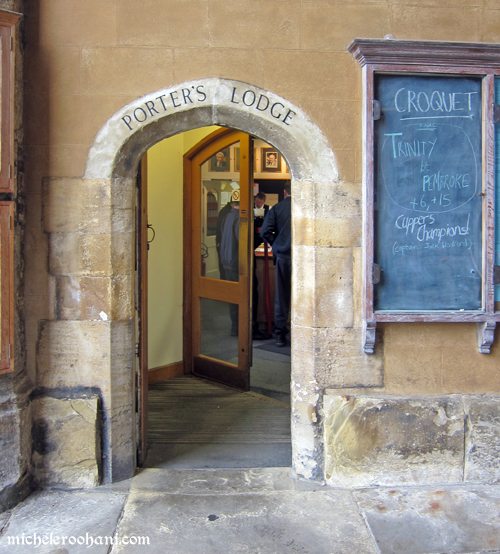
Unlike any other Cambridge college the porters—aka grass police—always wear black bowler hats; they make sure that as with many other Cambridge colleges, the grassed courtyards are generally out of bounds for everyone except the Fellows or me who was accompanied by a Fellow.
And this is their headquarter:
If you get lucky to be invited to a High Table in the Great Hall, you will have a formal dinner with very interesting Fellows but if you are very lucky, like me, you will sit between the most senior Fellows, Anil Seal and Béla Bollobás!
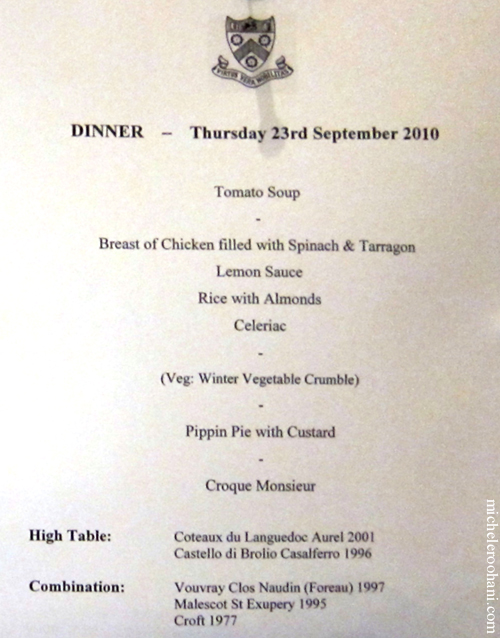
This is what you are going to eat and drink (we were lucky enough to inherit a great Sauternes left over from the previous night’s big dinner); I was warned not to pass the serving platters to the person sitting by me and always wait for the waiter to do it!
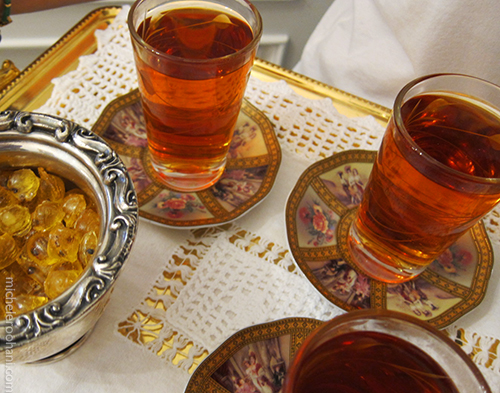
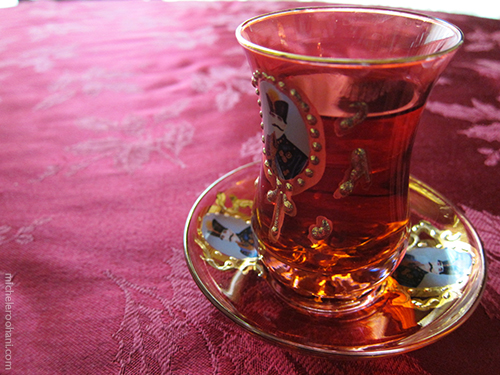
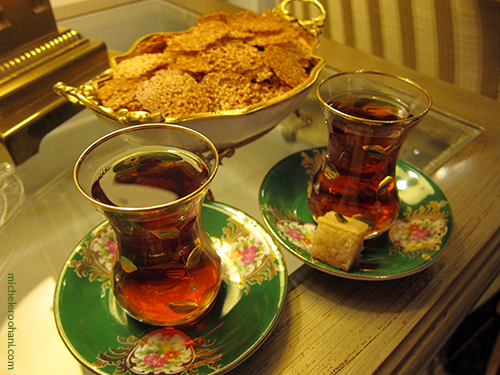
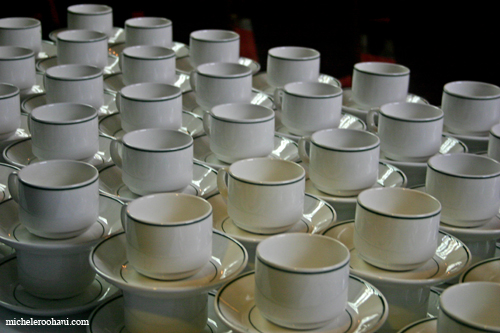
And of course row after row of tea cups…
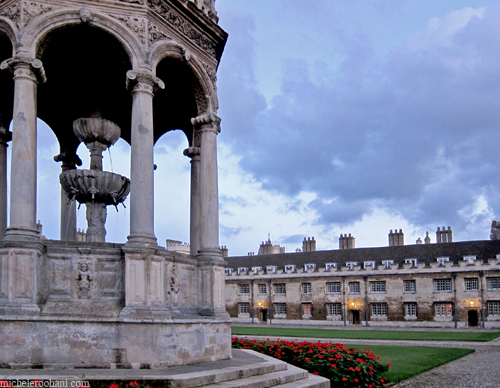
The great court is even more breathtaking at night where the college bathes in soft lights and the sound of the central fountain:
Just imagine going to sleep (like the other students of the college) with the sound of this old spring:
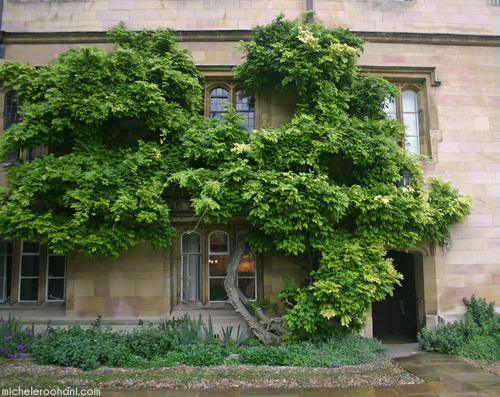
If you are a visiting scholar, you may stay in the college,
right beside the Master’s Lodge—in this case Sir Martin Rees:
I so wanted to peek through Sir Rees’ house but the best I could do was to take a furtive picture and be happy with his TED talks...
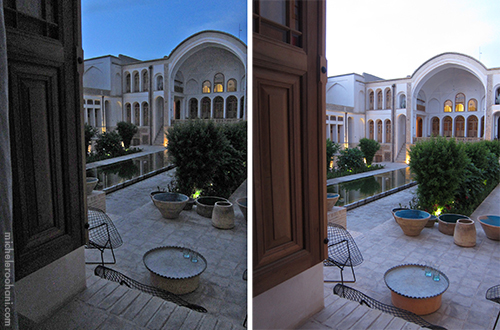
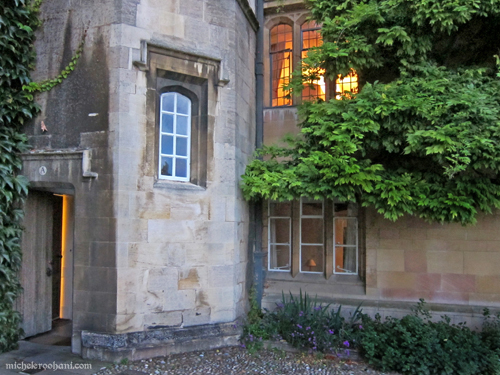
One place I could visit was the neighboring guest house in this blue hour,
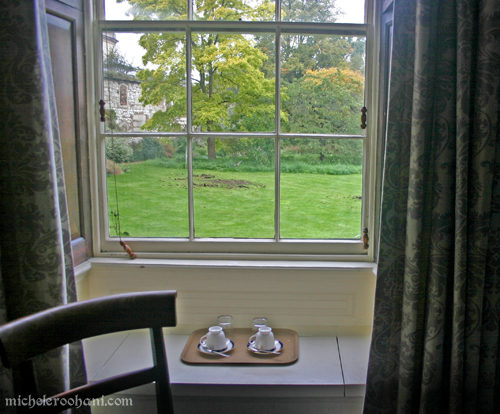
and delight at the “green teas” you could have in the morning by the window…
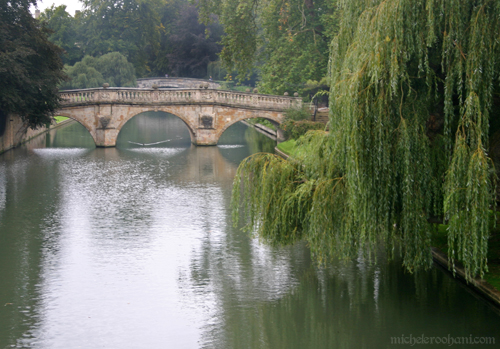
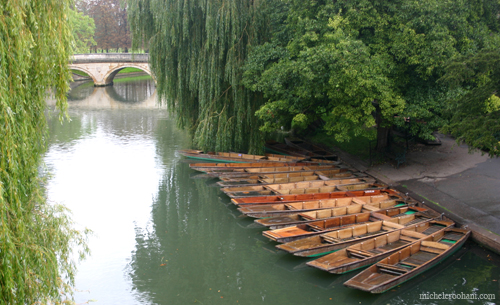
Last but not least on my list is the river Cam and its romantic bridges made even more beautiful by the Punts (flat-bottomed boat with a square-cut bow):
It couldn’t get greener, wetter, fresher than this hazy beautiful morning spent visiting the Cambridge colleges:
And this punter, oblivious to the fine rain, enjoys the shallow and gravelly river, from one Cam bridge to the next:
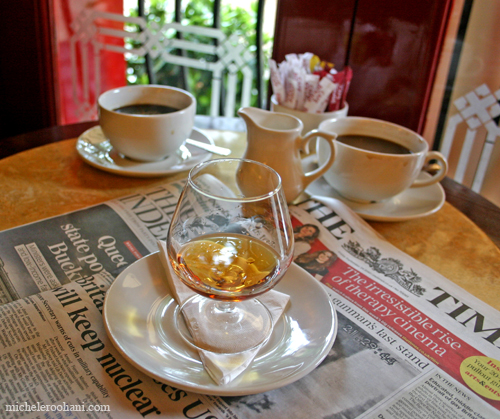
After the first couple of colleges you either need a coffee at Caffé Nero accompanied by great fudge from fudge kitchen,
or something stronger: a carajillo just like Mitra D. likes it!
To be continued…
René Burri, one degree of separation between me and Che Guevara
September 11th, 2010
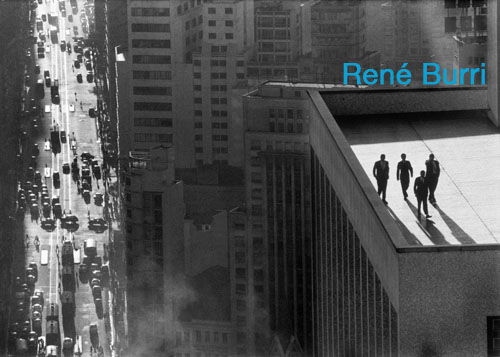
I met one of my favorite photographers, René Burri, last week! A few years ago, I fell in love with this beautiful image of Brazil I discovered on Burri’s great photography book:
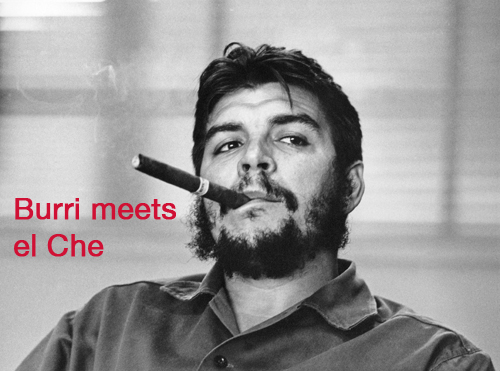
In 1963 while working in Cuba, he made portraits of a young Che Guevara:
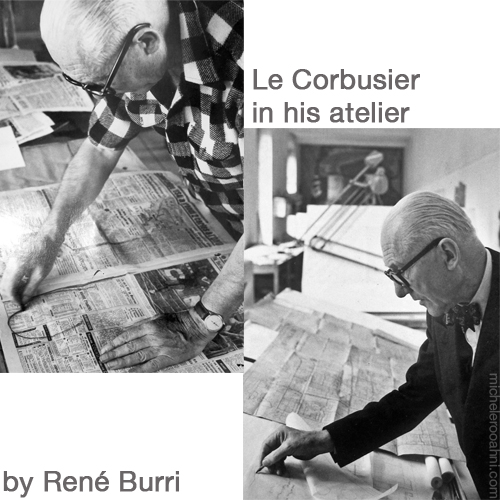
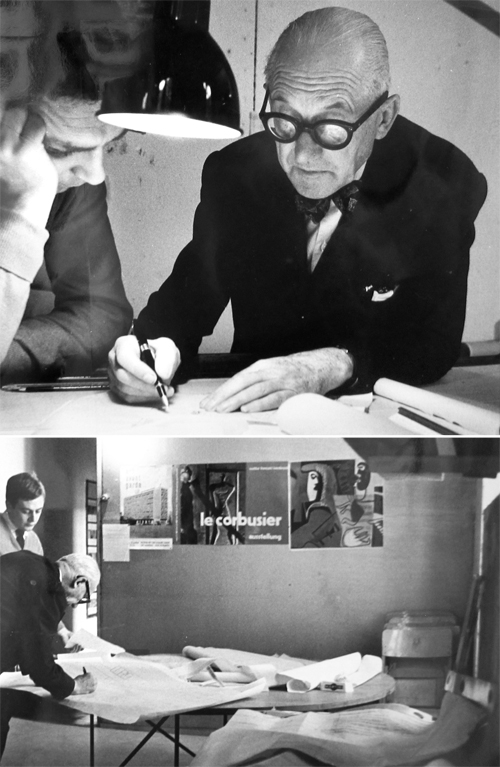
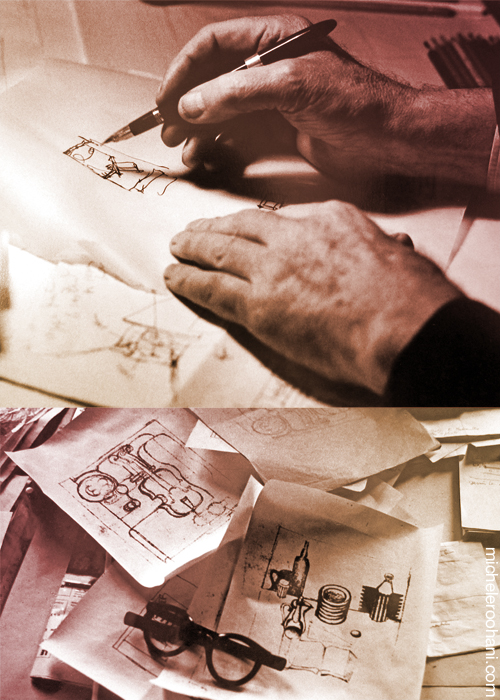
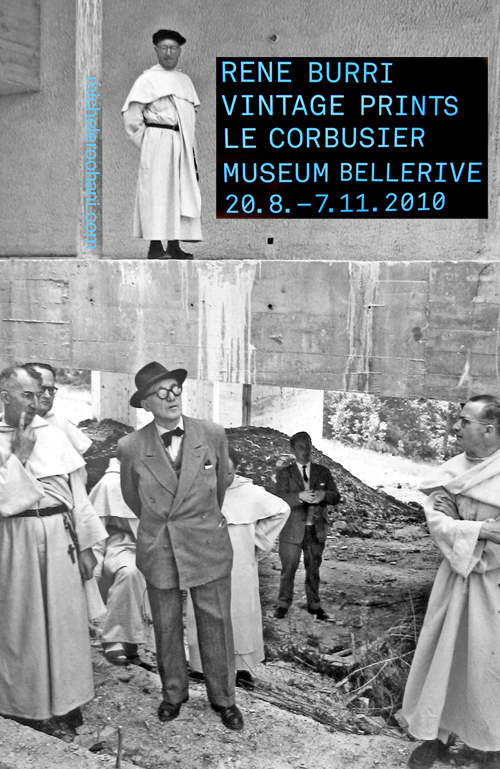
I went to see Burri exposing his Vintage elegant shots of the polymath architect/urbanist, Le Corbusier:
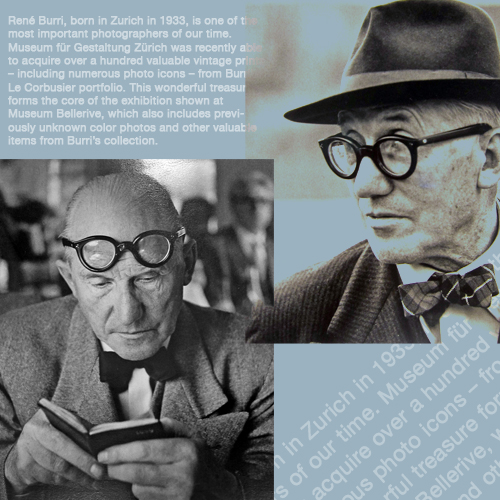
The photographer has managed to catch the architect in his creative modes/moods:
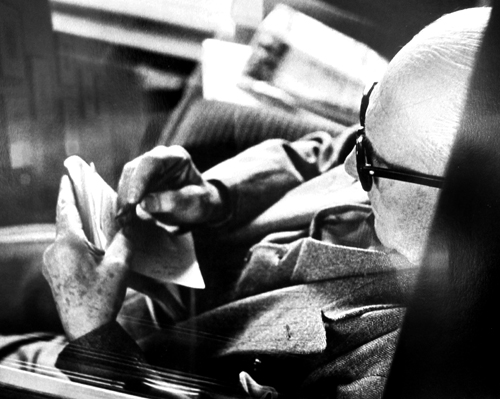
I found out that often times, Le Corbusier didn’t even notice Burri taking his picture:
I particularly like this one:
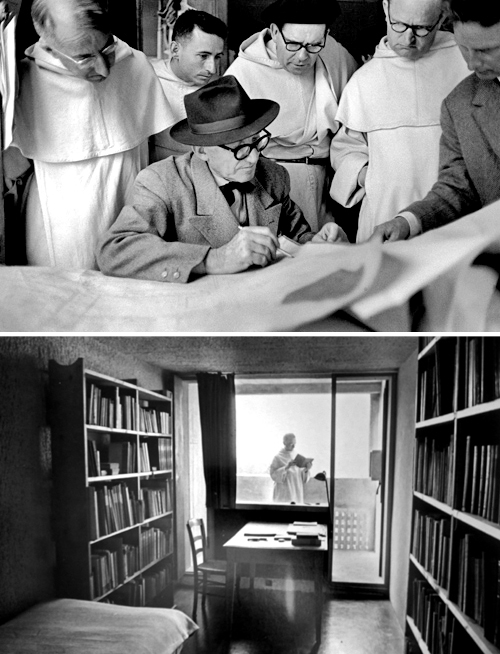
Burri was present at La Tourette monastery with Le Corbusier and he recorded some very interesting images of the monks surrounding the architect in 1959:
I love this monk (with the hat) listening in the conversation below:
Artist and photo-reporter in one, Burri, started to shadow Le Corbusier while still a student—he became the visual chronicler and personal photographer of the architect:
The whole exhibition was a glimpse into the creative life of Le Corbusier (not being among my favorite architects, I was never particularly curious about him); I learned much about his work thanks to Burri.
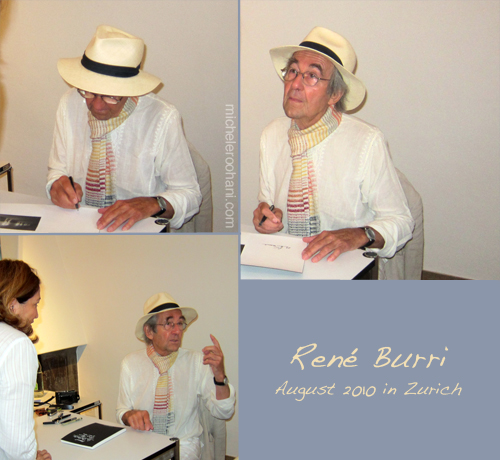
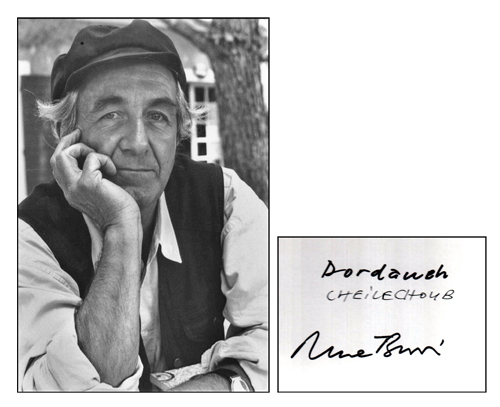
The master was present to kindly sign books,
and learning that I am Iranian, he tried to add another word to his autograph: cheilechoub (ch in Swiss German sounds like kh) or “very good” in Persian:
Check out some of Burri’s work here.
To see the breadth of his work (eye) visit Magnum’s site here.
To see an interesting view about Che Guevara go here.
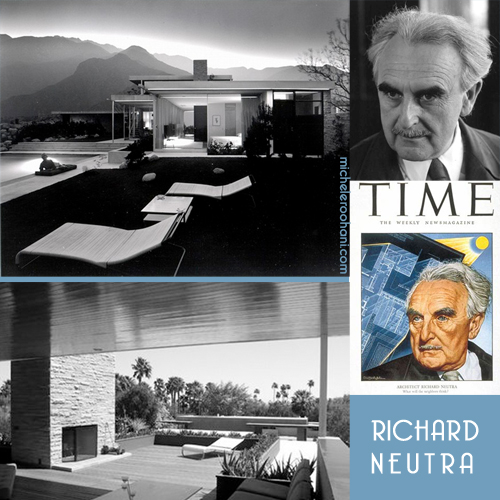
Richard Neutra, the bridge between Taliesen and Bauhaus
March 5th, 2010
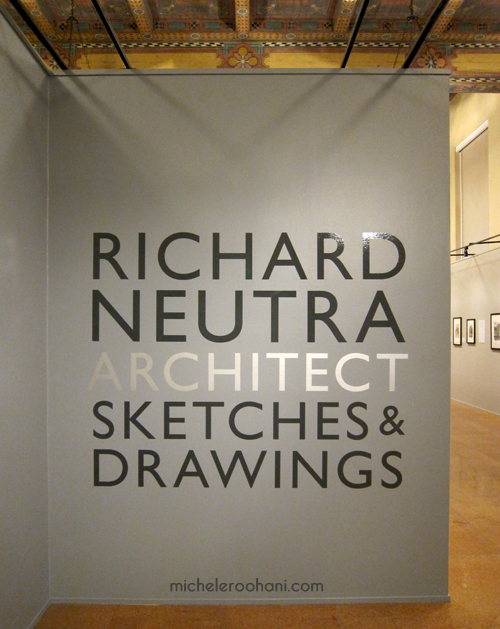
Richard Neutra, the quintessential California modernist architect, has made my stay in downtown Los Angeles worthwhile.
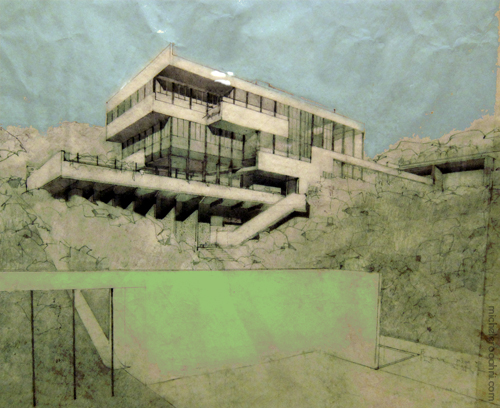
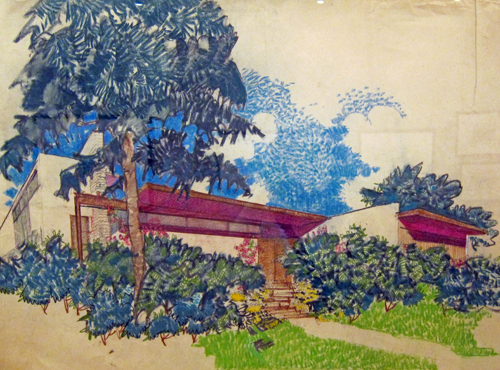
Los Angeles’ main library has an exhibition of Neutra’s sketches and drawings and I was able to take some pictures to share with you—these are my interpretations of his work:
I love these largely horizontal airy structures; they are so “modern”, you forget they were designed in 1920′s…
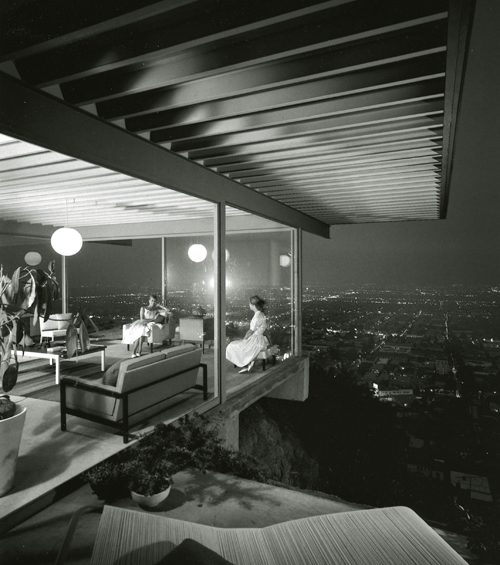
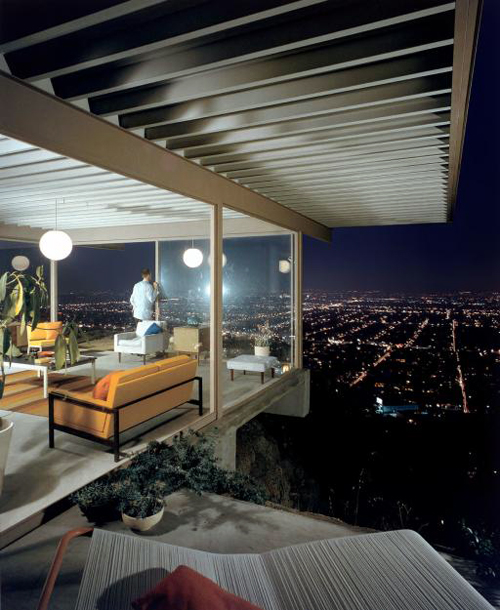
I admit that I had to leave California to miss it and nothing says more Los Angeles than this beautiful photo of the Stahl House by Pierre Koenig, another modernist architect:
the photographer, Julius Shulman, became famous by this one black and white shot from 1960 (above) and its color version (below):
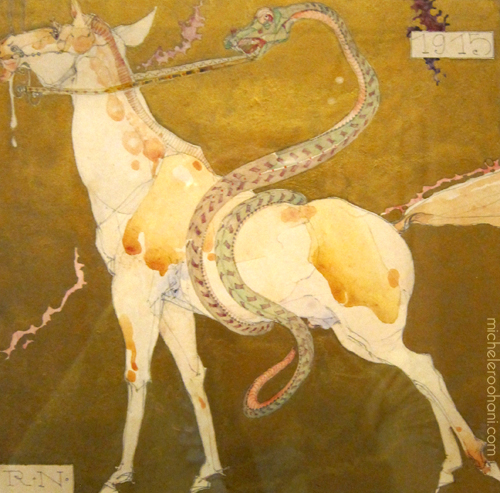
Born in Vienna, Neutra (1892 – 1970) was influenced by his fellow Austrians, Gustav Klimt and Egon Schiele (both died in 1918 when Neutra was 26 years old); this little painting of his could have been created by Klimt himself:
Another great influence on the young Neutra was Frank Lloyd Wright who invited Neutra to work in his studio in Taliesen. They rank him second only to the great Lloyd Wright in American architecture. Other early influences were Louis Sullivan (he coined “form follows function”), Otto Wagner and Erich Mendelsohn.
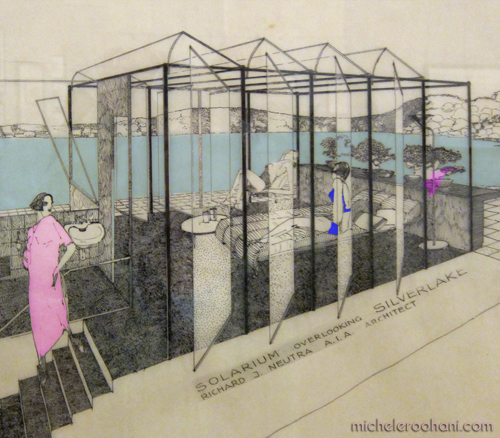
This sketch is the Van der Leeuw House solarium (complete with bathing beauties) that Neutra envisioned to build for himself:
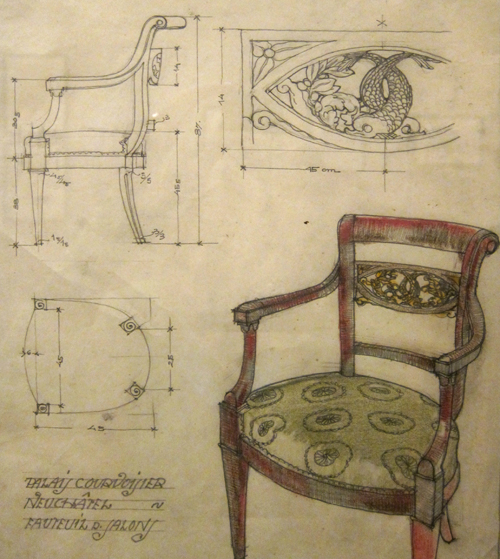
Chairs (this one from 1919) weren’t the only things besides buildings that Neutra designed,
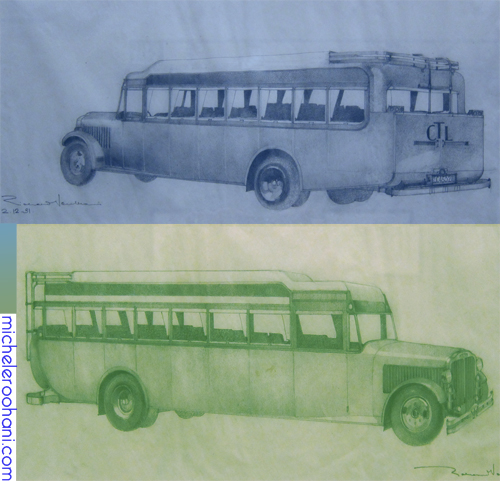
he even designed aluminum buses!
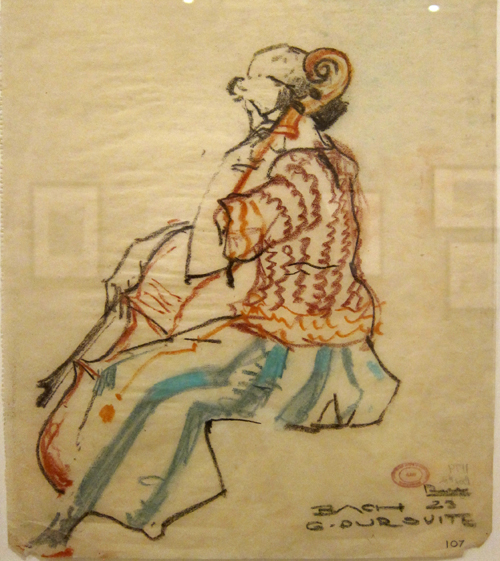
Richard Neutra, the romantic engineer, was passionate about art, technology and architecture—I love this drawing of a cellist playing Bach:
Leaving the cold winters and the world wars of Europe, Neutra took refuge in the sunny climate and rich landscape of Southern California; with his cool and sleek modern style he coined the term biorealism: “the inherent and inseparable relationship between man and nature.”
To see my favorite architects go here
Catch the exhibition at the L.A. Library here
Budapest, the neglected beauty on the Danube
October 5th, 2009
Budapest, the neglected beauty on the Danube, is a city of friendly people, opulent buildings, golden domes, thermal baths and opera.
Budapest became a single city occupying both banks of the river with a unification on 1873 of right-bank Buda and with left-bank Pest.
A foreign city robs you of your prejudices about different neighborhoods—you look at everything with fresh virgin eyes.
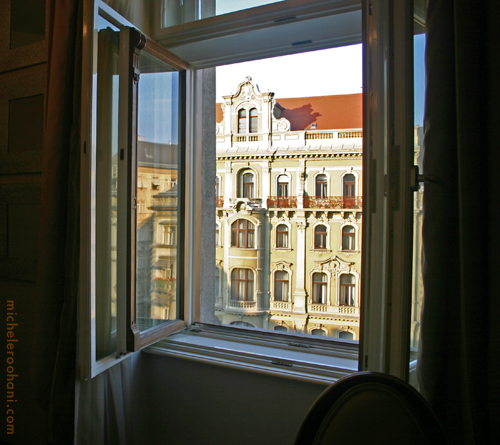
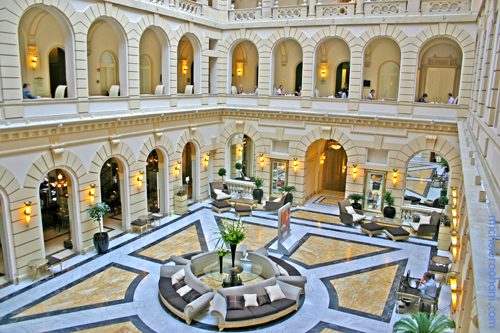
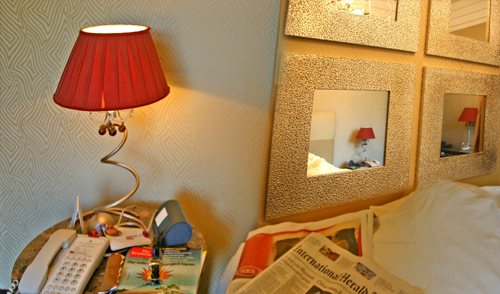
Let’s start by my posh, but relatively inexpensive, hotel room and its great view:
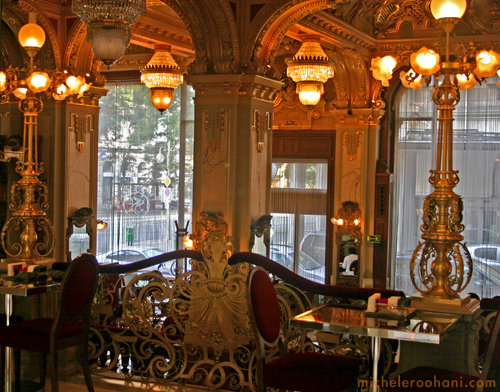
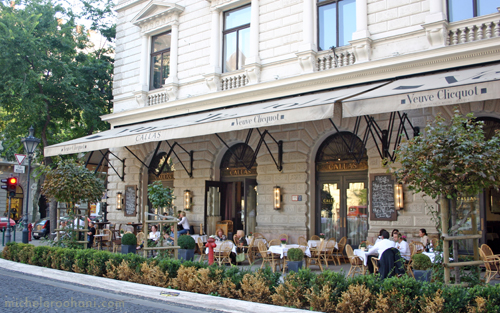
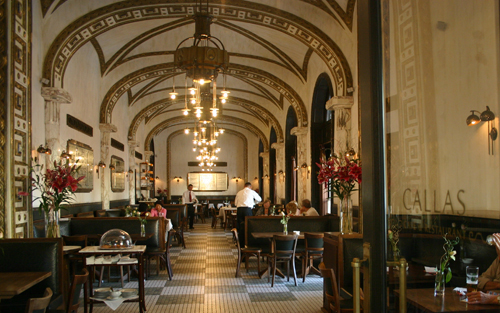
grand cafés everywhere,
like the Callas :
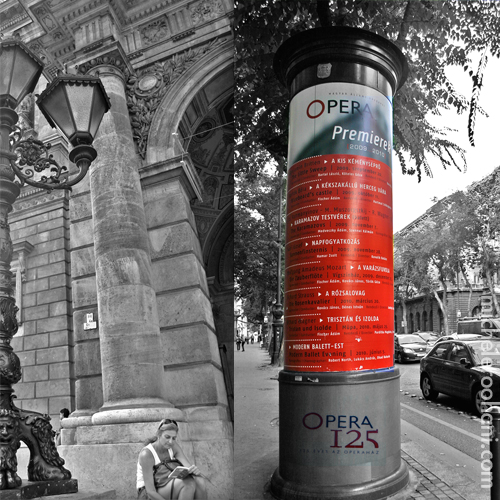
The Hungarians are Opera-crazy and they have their elegant Opera Houses to show it:
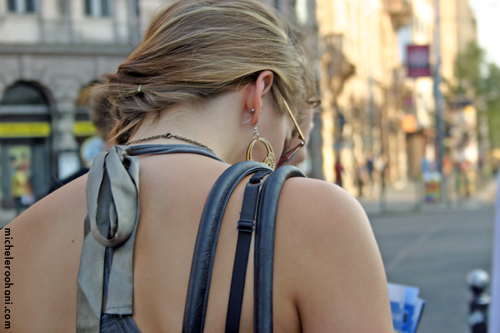
There are plenty of beautiful Hungarian girls,
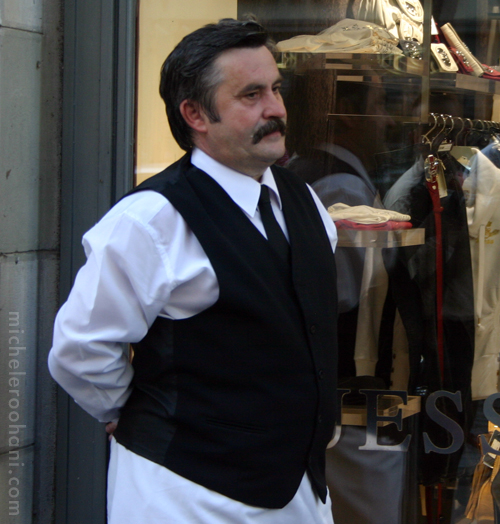
and boys:
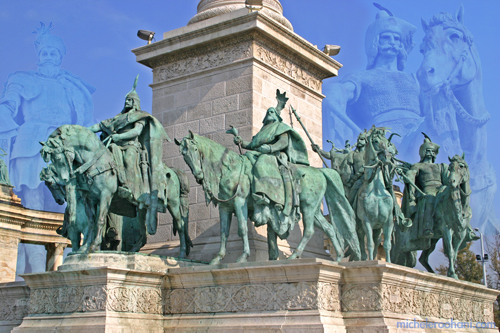
and very proud ones at that: The Heroes’ Square welcomes you with seven Magyar chieftains (Magyar: Hungary) who led the Hungarian people in their proud history; I highlighted a couple that I liked best:
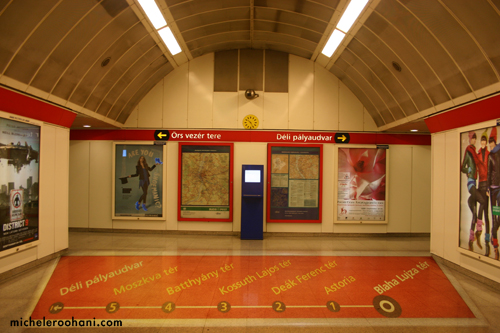
Now we’ll take the Budapest metro—super efficient and easy to use— to go places.
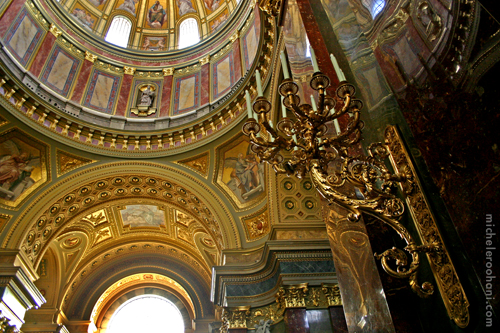
Like a good muslim, I first went to visit the great Saint Stephen Basilica:
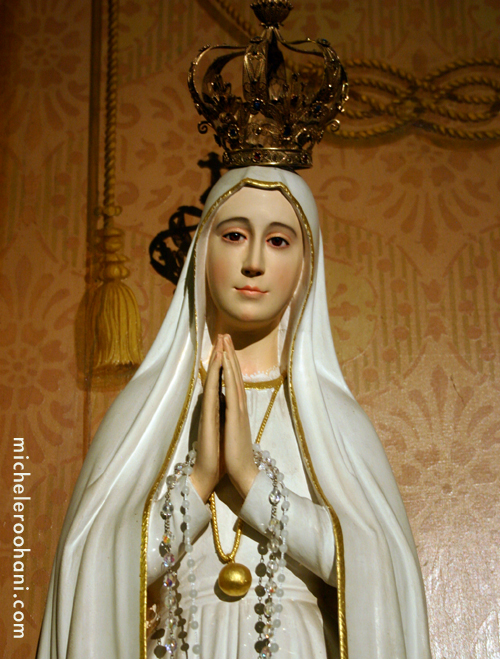
the madonna looks friendlier in orthodox churches—somehow less aloof, more human…
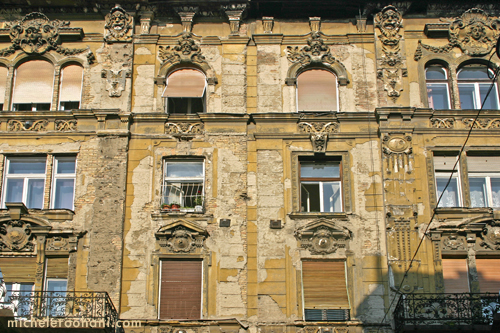
In spite of all the gold in the public places, Budapest has its share of run-down buildings,
this huge metropolis is not as pretty as her smaller sister city, Prague,
but is as rich in history and as breathtaking in sights:
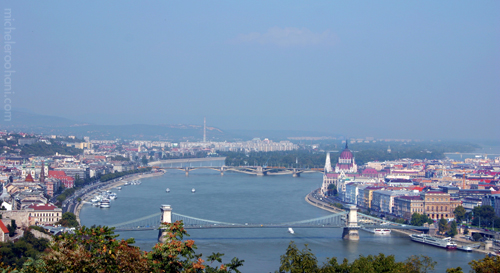
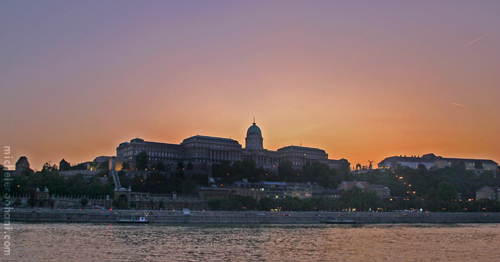
the sunset on the Danube is majestic:
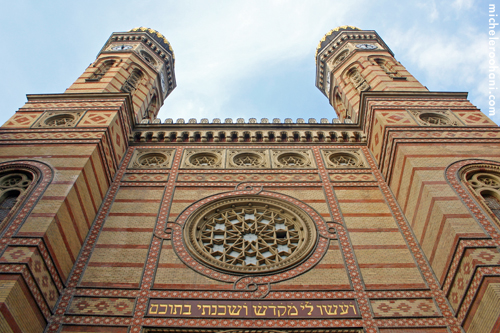
Again as a good Shiite who does believe in Holocaust, I went to visit the Dohany street Synagogue of Budapest, the world’s second largest that caters to a mix of Orthodox and Reformed Judaism unique to Hungary:
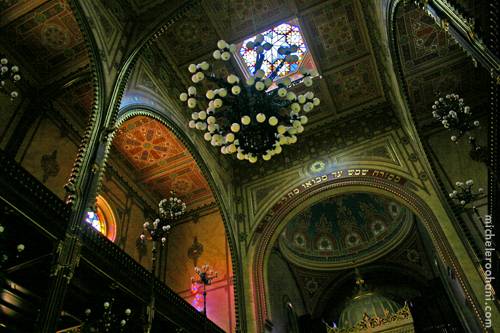
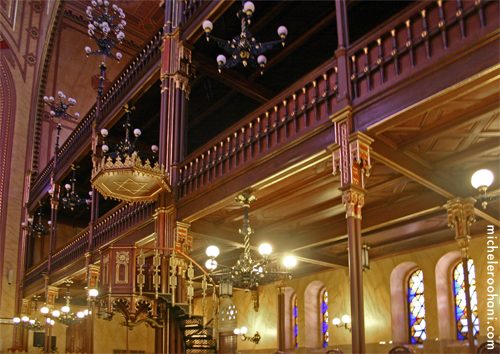
in spite of its Byzantine Moorish style, the similarities between this synagogue and a grand church are striking: there is an organ (Franz Liszt played on it once),
and even pulpits!
In the Jewish quarter, you are constantly reminded of the Nazis’ atrocities:
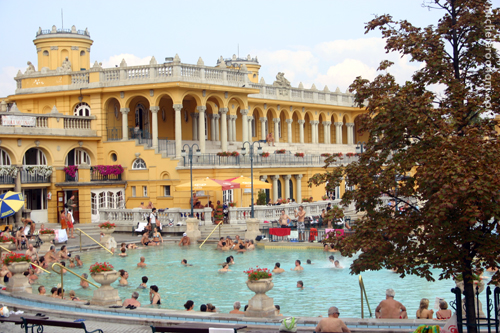
Budapest is known for its 80 geothermal springs but I didn’t have the courage to accompany my friends to these pools in Szechenyi bath:
the Fine Art Museum was more pressing but that should wait for another post; the Hungarian parliament deserves a post all to itself as well.
If you want to stay in great affordable hotels in a great cosmopolitan European city, go to Budapest (or ask my friend, Reyhaneh, who is a champion in finding great deals!)
I leave you with this quote: “The stupid neither forgive nor forget; the naive forgive and forget; the wise forgive but do not forget” and “Clear thinking requires courage rather than intelligence” by Thomas Szasz.
p.s. I am not writing about food because the only good meal I had worth writing home about was with my favorite Hungarian, Professor Ungvari, at Remiz.
From Mies to Kahn, I love my architects
August 12th, 2009
I still remember the outrage in the voice of my friend, Lino Bottaro, trying to defend his native city, Venice, against the Las Vegas Venetian hotel: “how dare you suggest that they did an ok job in Vegas? Haven’t you heard of great architects like Palladio or Brunelleschi?”
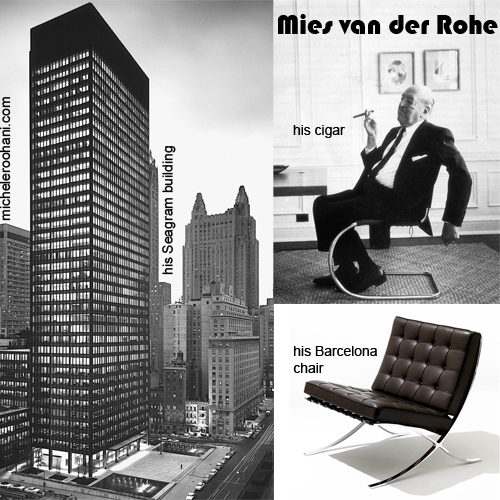
Of course I have heard of those two great Italians but I have a weakness for the 20th century STARchitects like the great Mies van der Rohe above, who’s more known for his Barcelona chair than his great buildings! Mies’ visionary architecture has ushered in the glass-and-steel skyscraper era.
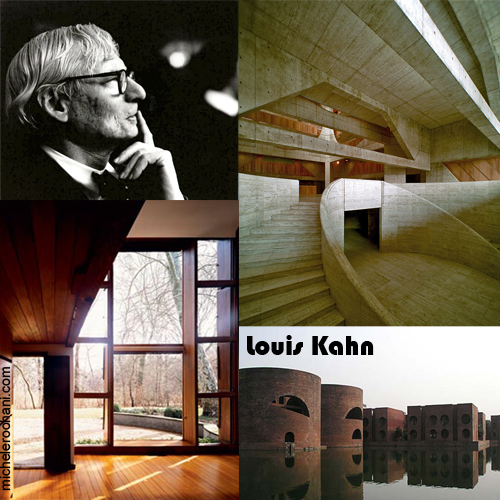
I fell in love with Louis Kahn’s work after watching the movie, My Architect.
A density of purpose, a phenomenal sense of place and an intense spirituality define his works. There is a silence about his buildings, they have a sense of quiet…
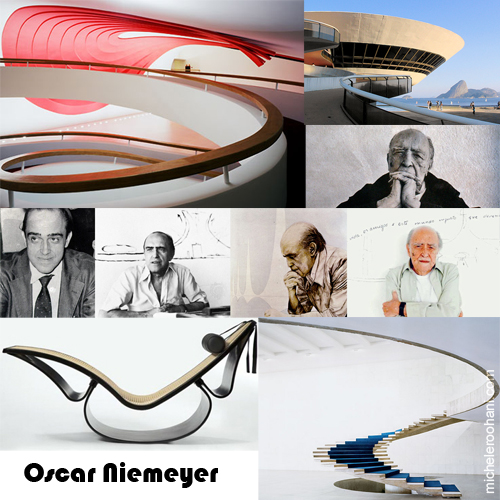
Knowing Oscar Niemeyer was a beautiful surprise from an article in NY Times; he’s 101 years old and still working!
Just look at this enchanting blue staircase in Brasilia…
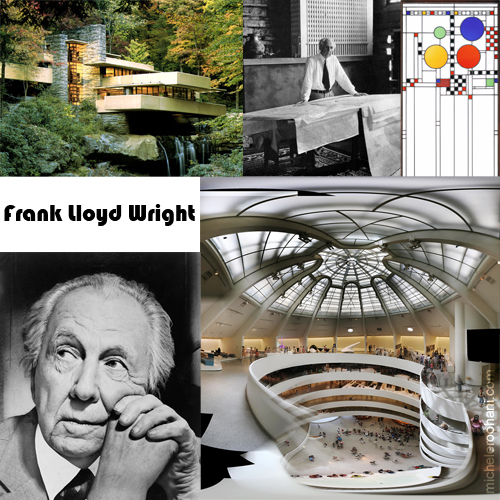
Cutting-edge buildings designed by globe-trotting architects have changed the face of today’s cities and there is no monopoly of architecture, a sensuous and intellectual art, like in the time of Frank Lloyd Wright or Mies:
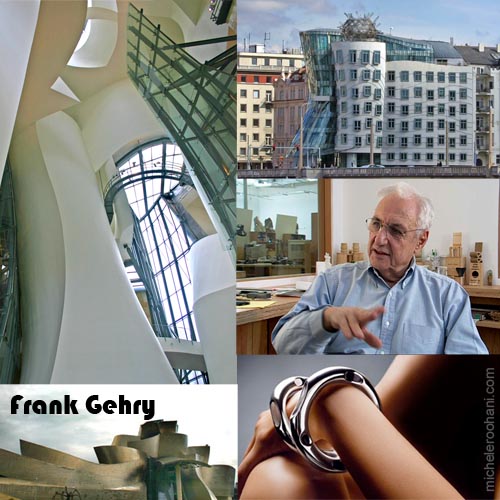
Of all of today’s self-indulgent “star architects”, I still have a soft spot for Frank Gehry’s curves; you have to be in one of his buildings to see the frozen poetry in Bilbao, Prague, Los Angeles, etc…
His Bilbao museum is the 20th century’s iconic architecture according to the architecture critic, Ada Louise Huxtable.
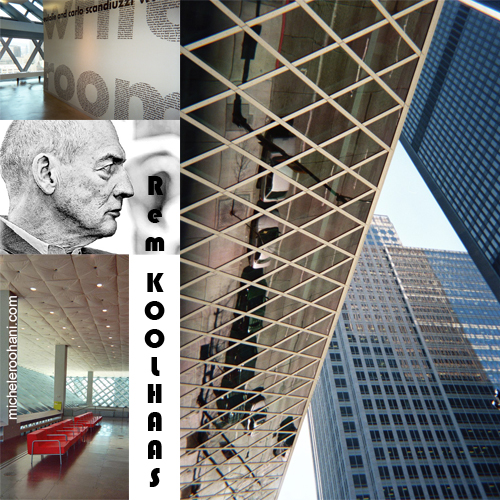
Last but not least, Rem Koolhaas’ unconventional designs are a force to reckon with:
I shouldn’t even get into the Diva, Zaha Hadid or Jean Nouvel, Herzog and de Meuron or Tadao Ando (the great light and water architect)…Those will be for another post, another day. Richard Meier, Taniguchi and the phenomenal Charles Gwathmey have to wait their turn too. As you can see I am passionate about architecture…
“Less is more.” Mies van der Rohe
“The mother art is architecture. Without an architecture of our own we have no soul of our own civilization.” Frank Lloyd Wright
p.s. Renzo Piano is missing from my list because I have not forgiven him for his wild Pompidou Center design and his Broad Contemporary Art Museum in Los Angeles has not helped his case!
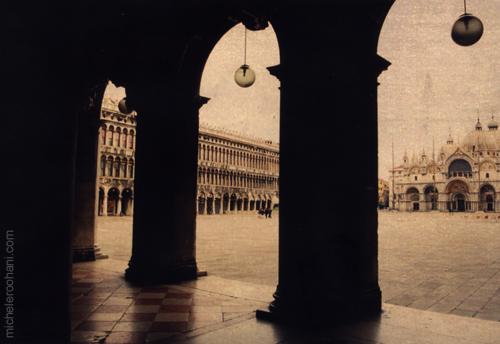
the photos of Prague, Bilbao, Venice and Seattle are from my own archives.
A weekend in New York city
May 25th, 2009
A NY weekend —short and sweet just the way I like it.
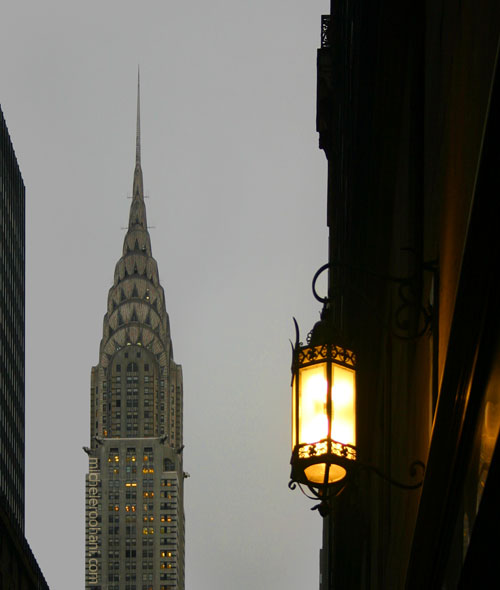
The Chrysler building is still magnificent—I like the upper east side best.
sometimes photographers have to take some risks,
New York is a walking city and the shop windows are fabulous—I have dedicated an entire future post to it—Bergdorf Goodman’s window displays are so sophisticated, they are like mini-exhibitions.
India is big on Fifth Avenue:
so is the cathedral…
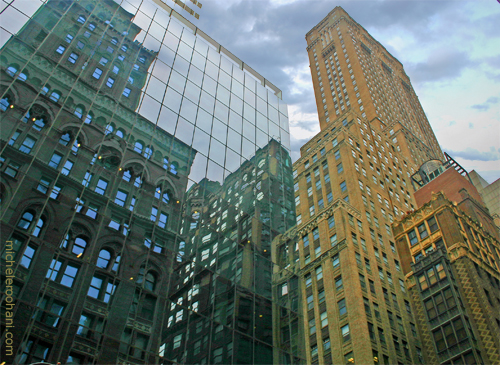
Manhattan is a “hall of mirrors” with a maze of old and new architecture to dazzle you:
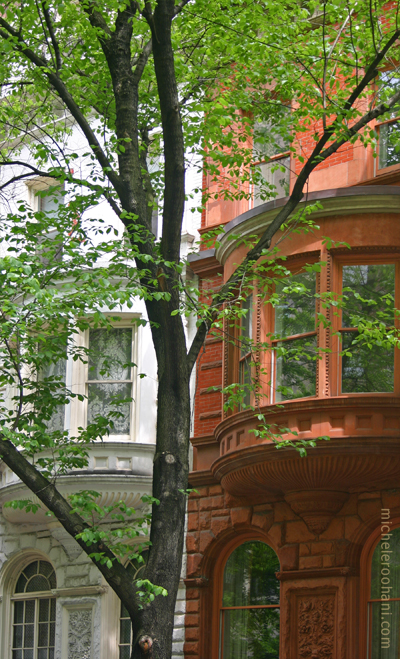
Brownstones are beautiful in springtime,
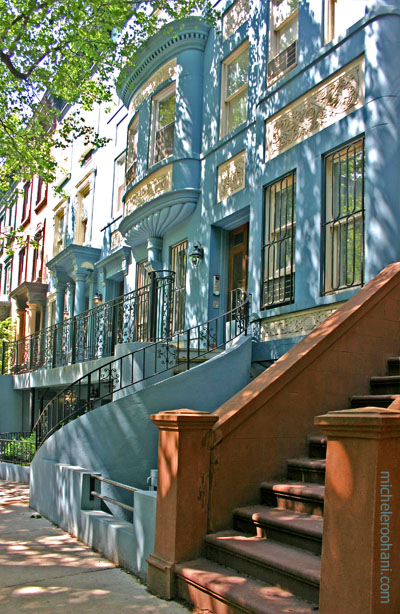
so are bluestones!
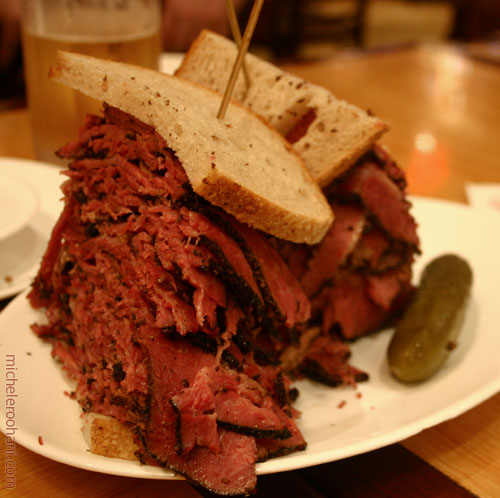
Prepare yourself to eat half a cow at Carnegie Deli,
and then the other half:
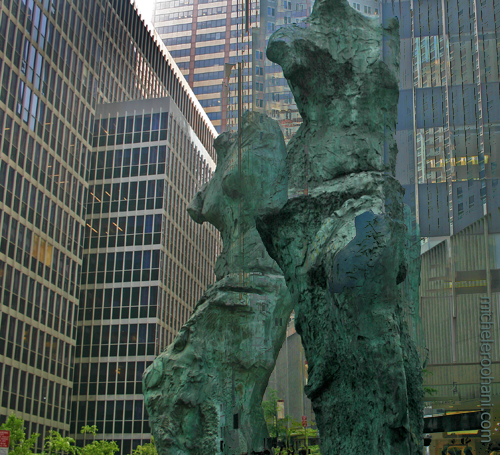
Jim Dine’s Venus on the 6th avenue,
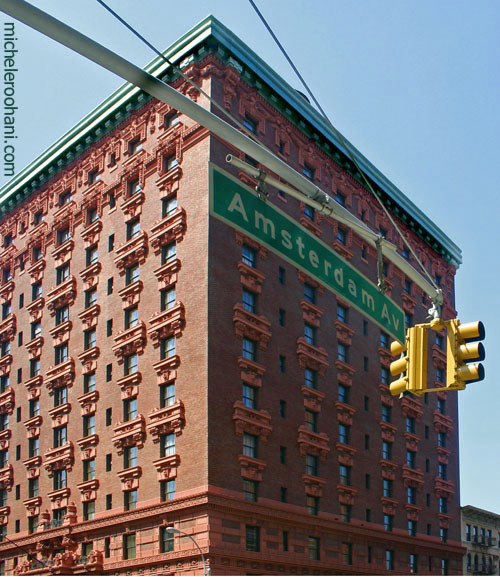
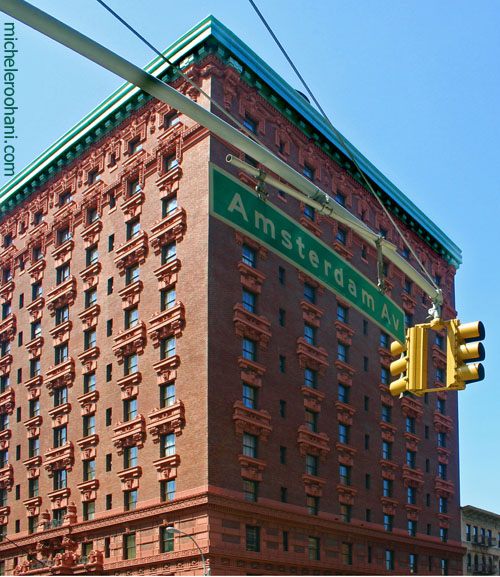
The upper west side is younger and hipper—Amsterdam avenue leads you to a little gem of a café, good enough to eat.
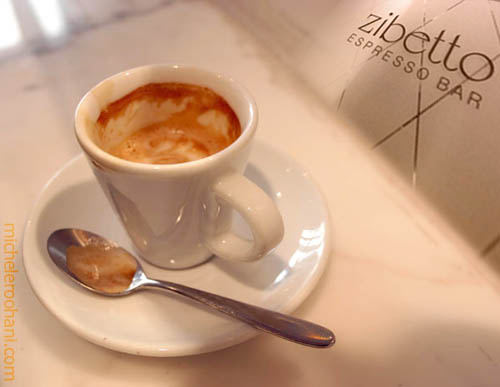
A hole in the wall, Zibetto espresso bar, is an ideal place to get you going again,
to see some more of this beautiful city:
its buildings,
and its skyline.
I visited the Metropolitan museum and the Frick Collection as my usual pilgrimage but the most exciting show was at the New York Public Library. I have two great exhibitions to tell you about but that’s got to be in the next post.
Related and Suggested Posts and Resources
Babooshka dolls and Franz Kafka in Prague
Alone in Paris
April 6th, 2009
Just came back from a brief stay in Paris and these are some of my pictures:
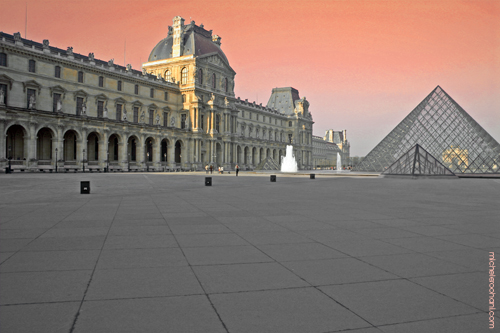
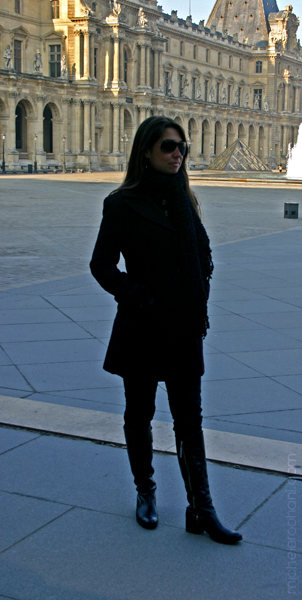
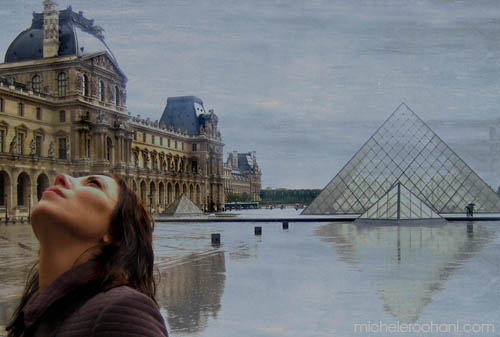
The Louvre is glorious in early morning,
some jet-lagged tourists were the only people around,
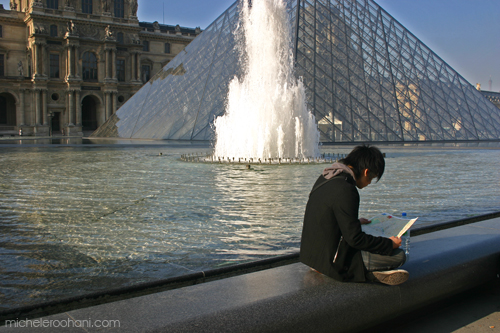
early birds can witness the majesty of an empty Louvre Court.
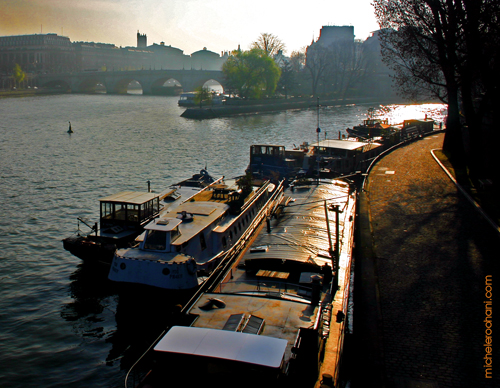
When you wake up that early in the morning, everything is beautifully calm even in the nauseatingly crowded Paris,
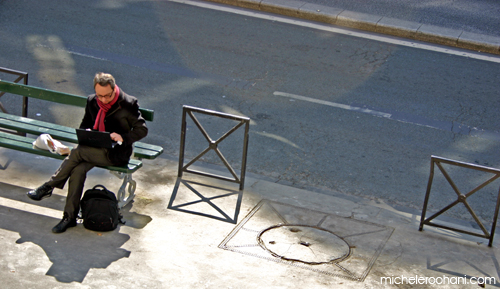
Another lonely hyper-connected dude:
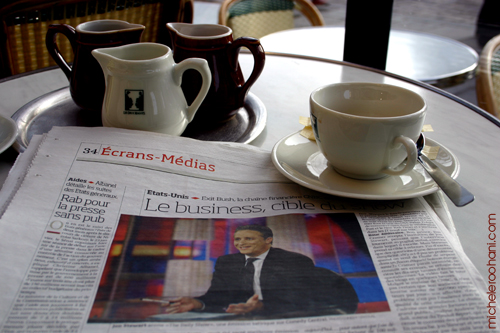
I met Jon Stewart at Deux Magots for breakfast that day—he made me laugh…
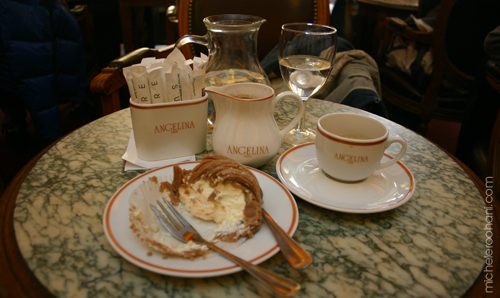
Angelina still has the best Mont Blanc of the city and it’s my duty to check the quality every time I am in town:
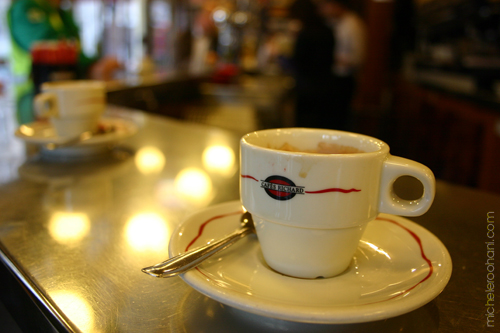
Of course my favorite is always “un petit noir au comptoir” (a quick small espresso at the cafés’ counter):
Couldn’t resist adding this image of Maryam from a couple of years ago…
The gorgeous Alain Delon
March 1st, 2009
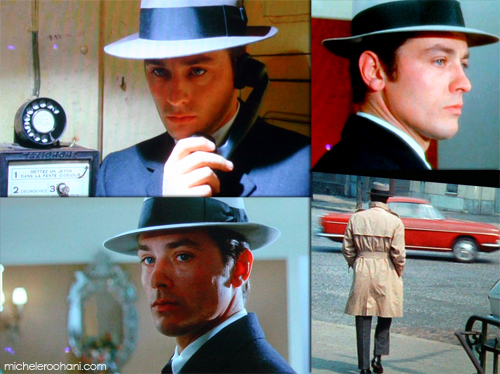
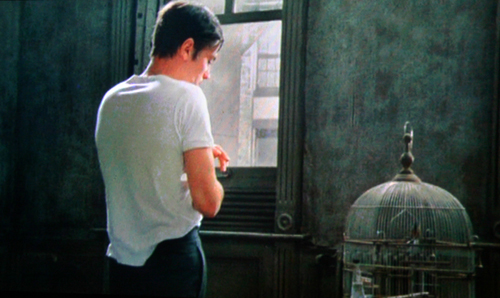
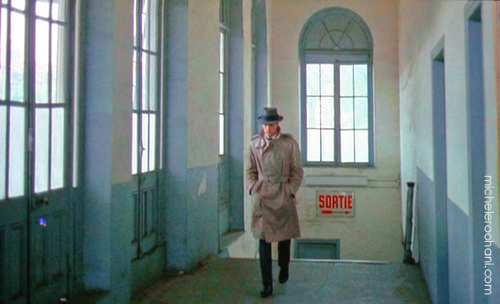
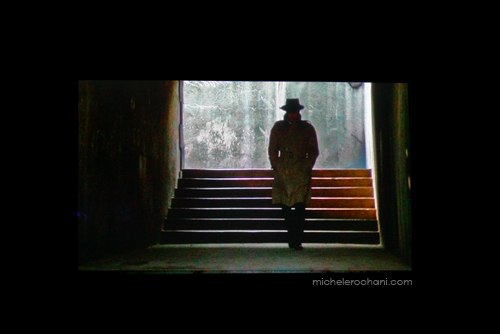
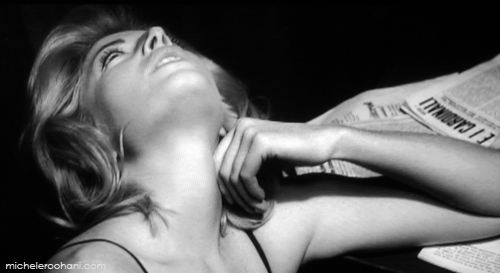
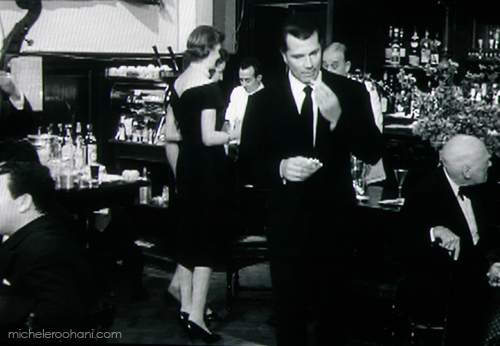
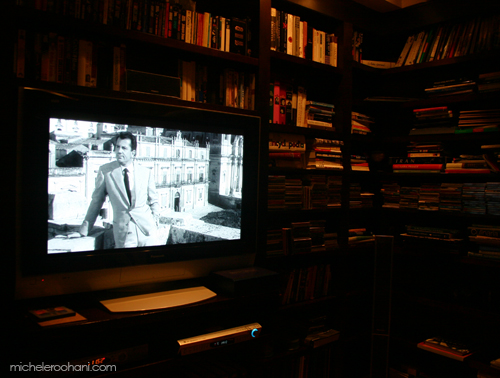
Alain Delon is the most handsome man of Cinema—I say is because he’s always the same age when you are watching his films. I just saw The Samurai again and took these pictures. I go back to these old films for their art direction and their history.
Just look at these timeless shots of The Samurai:
No Cary Grant can touch him here:
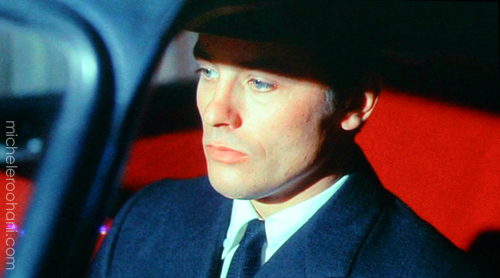
So modern in this beautiful shot:
Delon is very succinct in this film,
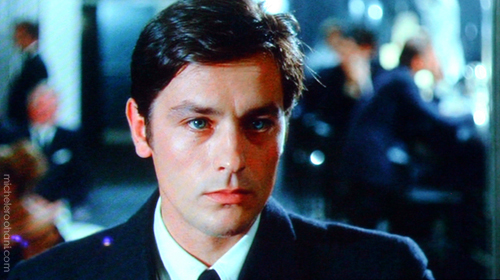
my favorite scene of the whole movie:
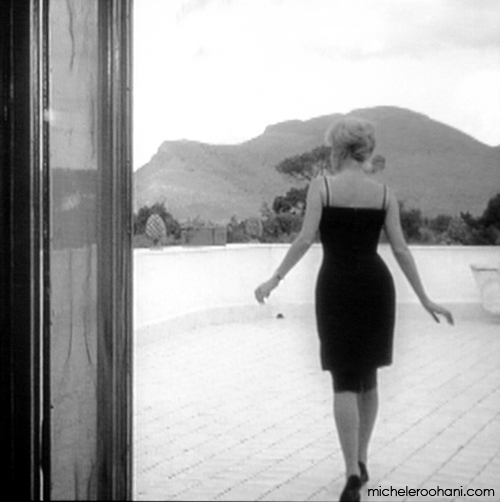
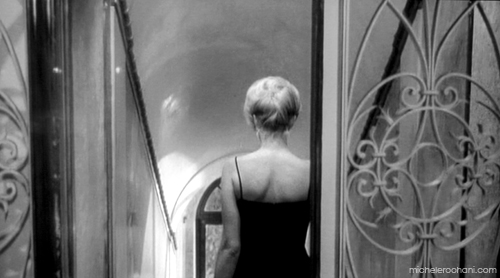
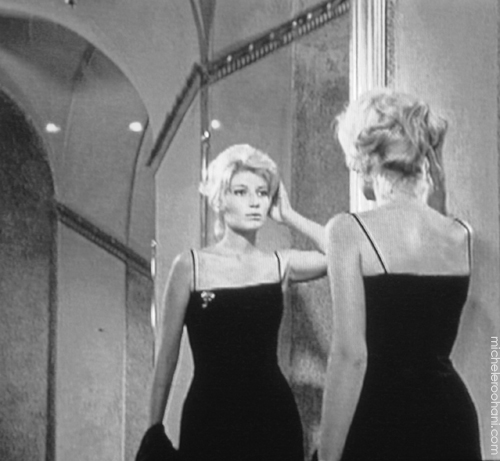
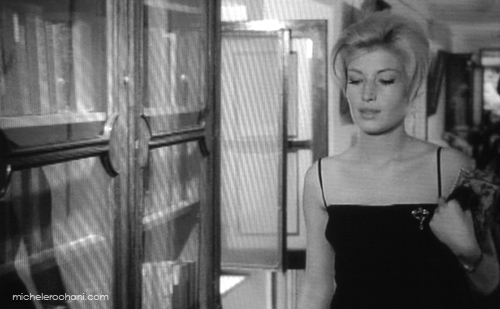
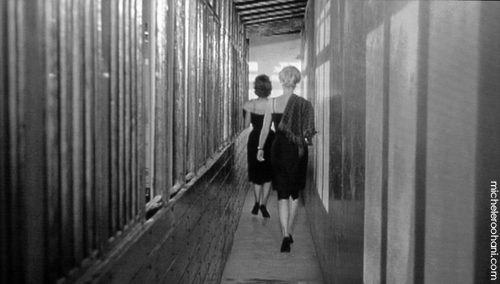
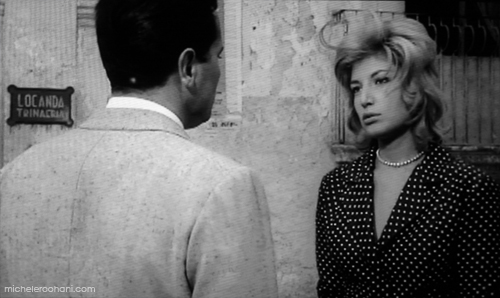
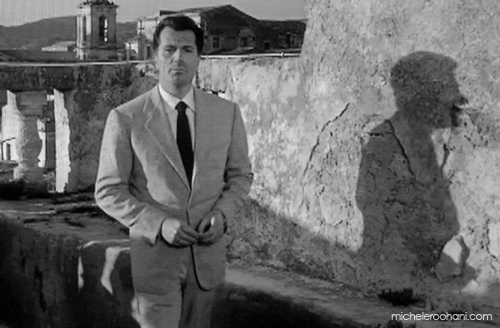
Netflix is making it so much easier to find these old films. I got to watch L’Avventura last night and Antonioni’s poetic compositions were arresting:
Monica Vitti is divine in these shots from 50 years ago…
Today’s generations think they have invented these styles/fashions; our arrogance fades after watching a couple of these films.
50 years ago people…And you wonder where Barbie (who turns 50 this week) got her image from…
I just loved this shot,
these close-ups are amazing,
The visual language of these films is so relevant after all these years.
Gabriele Ferzetti is smashing and looks so 21st century:
Shot mostly in Sicily—Noto and Messina, the architect protagonist is in his element:
and here,
and this is how I did all of this:
This was my homage to Alain Delon.
Added on 5/22/09:
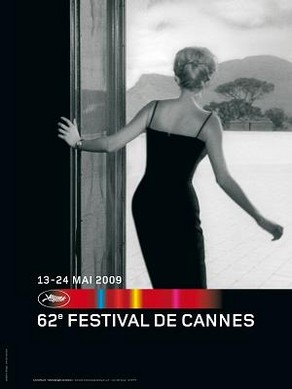
My friend Mitra called me this morning, super excited about the Cannes Film Festival’s official poster which looks so much like the images i have in this post:
Did somebody flatter me by copying me?
Paris got lost in the debates, the bailout and Paul Newman
October 5th, 2008
These are scary times and as much as I wanted to, I couldn’t bring myself into making a light post about the beauties of the old world…
I watched the debates in awe, witnessed the bickering over the financial bailout with disbelief and then Paul Newman died and I had the Paris Blues… Watch this magnificent trailer of Newman and Sidney Poitier in Paris of the 60′s.
Did anybody looked cooler than this guy? Beautiful man with a more beautiful heart. Smoking killed him.
Paris remains splendid in spite of all the bad news I have been getting from home—a walk through Place des Vosges at night washed away some of that.
The infernal crowds finally went home and left Isle Saint Louis in peace:
The best remedy— albeit temporary —for the blues is a visit to the Patisserie. Just looking at them can send you to the hospital…
I am not a chocolate or a strawberry person but I would kill for a Religieuse Café!
Window watching is a pleasure in this “walking city”,
Nobody has the money to buy any of these overpriced un-necessities anymore.
United States is trying to absolve itself from its sins and Europe will follow…
This one reminds me of the “poustines” we were wearing as kids back home:
Beautiful Mansard roofs are breathtaking:
but not enough to make me forget this:
Two things are infinite: the universe and human stupidity; and I’m not sure about the universe. Einstein
Babooshka dolls and Franz Kafka in Prague
July 13th, 2008
You would think Prague is all about Kafka, Mucha and Dvorak but it’s really about these dolls – the Babooshka dolls are everywhere in Praha:
I would like to share my last trip to this beautiful city with you. I stayed in this fabulous hotel where everything but the view to the river was red (my favorite color)
these exquisite chandeliers are the pride and joy of the Czech Republic.
this is the view from my room:
and this one
Just look at Frank Gehry‘s edifice in the middle of these gorgeous buildings set on the shore of a shallow branch of the Vltava river – these tiny pictures are really not doing it justice.
First the sun was shining,
then it was raining like hell,
and then this amazing double rainbow; talking about a room with a view…
Prague is a city of posters,
and the capital of caryatids! Paris will never get close to these gorgeous men and women.
these two weren’t talking to each other:
but these two were – for an eternity.
I woke up at 6 in the morning and took the tramway to Charles bridge – the only time in the day that it’s a bit quiet. Cities are majestic in the morning blue hour.
The astronomical clock is the main tourist attraction.
Speaking of Kafka, he’s omnipresent:
and here and everywhere…
Beautiful city/people/pastries/absinthe (I brought some mean ones back to L.A.)
All and all, the Czech republic has shown gargantuan progress in a few years since the fall of communism – if only it stayed as inexpensive as the first time I visited…
“A book must be the ax for the frozen sea inside us” Franz Kafka
Subscribe
Main
Home
About me
Contact







compositions
cities
flowers
objects
portraits
sepia tones
best sellers