Port-au-Prince: Capital of Pain
January 19th, 2010
ca·lam·i·tiy:
1 : a state of deep distress or misery caused by major misfortune or loss
2 : a disastrous event marked by great loss and lasting distress and suffering
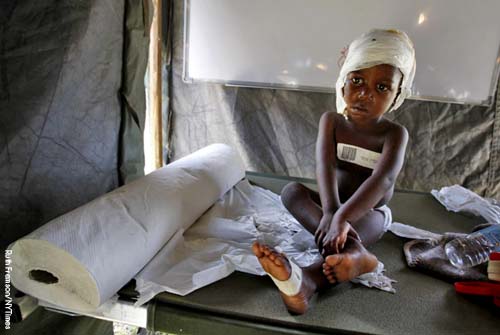
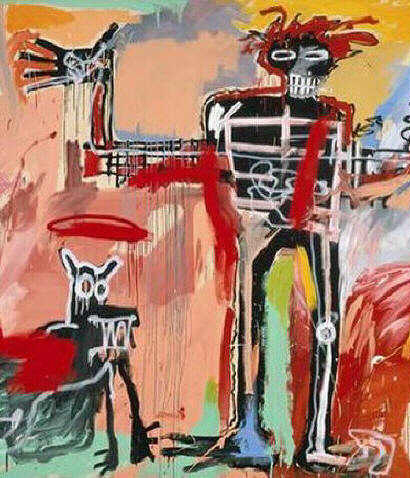
This “bar-coded” child is the symbol of the total helplessness of people in Port-au-Prince.
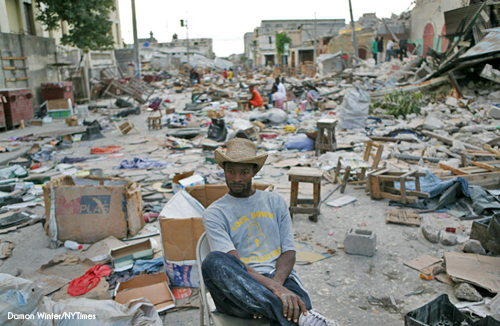
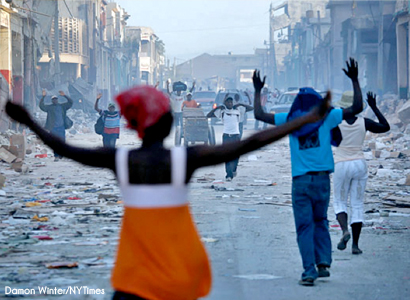
I am heartbroken by the utter distress/despair of Haiti. So much misery and suffering caused by a few seconds of random natural violence…
“Tout est enfin divisé
Tout se deforme et se perd
Tout se brise et disparait
La mort sans conséquences”
“Everything is finally divided
Everything is deformed and lost
All breaks and disappears
Death without consequences” Eluard
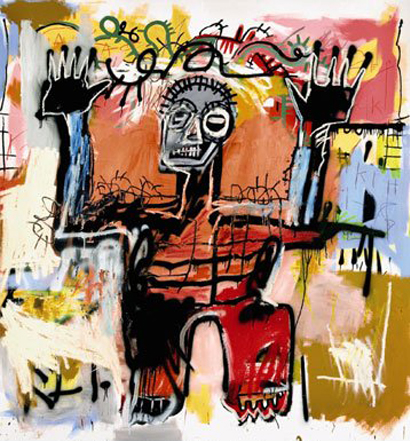
I wonder how Basquiat would have seen all this suffering in his fatherland; he painted some prescient images in 1980′s…
Damon Winter has taken striking pictures of the inconsolable Haiti.
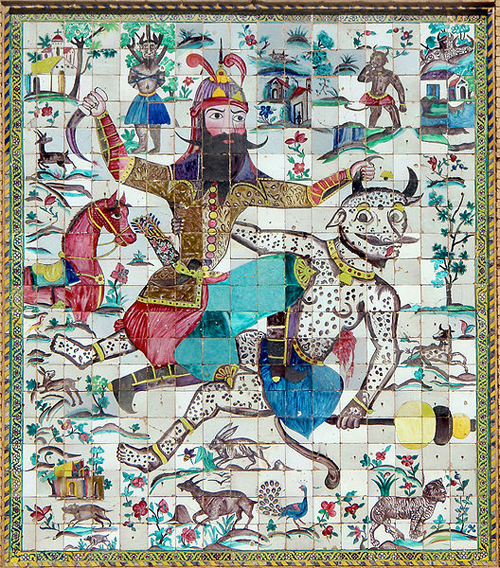
Desperately seeking Rostam
June 20th, 2009
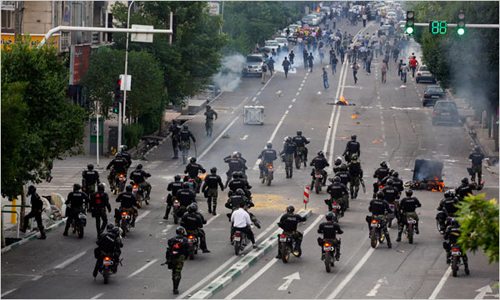
It’s 3:00 am Los Angeles time and I can’t go to sleep—I am worried about the possible bloodbath of this latest showdown between the Iranian regime and people; looking for a favorite verse takes me to Ferdowsi who’s poetry has been super-relevant during the past week.
The following is when people are asking Rostam, the most celebrated mythical hero of Iran, to save Iran—From the book of Kings, Shahnameh (composed by Ferdowsi between 980-1010 AD)
“You are our refuge, our last hope, our one
Protection now that King Kavous has gone;
Alas, Iran will be destroyed, a lair
For leopards and wild lions will flourish there,
Our land will be a wasted battleground
Where evil kings will triumph and be crowned…”
سپاه اندرایران پراکنده شد
زن و مرد و کودک همه بنده شد
دو بهره سوی زاولستان شدند
به خواهش بر پور دستان شدند
که مارا زبدها تو باشی پناه
چو گم شد سرتاج کاوس شاه
دریغ است ایران که ویران شود
کنام پلنگان و شیران شود
Read Roger Cohen’s great eyewitness account in NY Times (June 20th 2009); he shares with us what CNN and Youtube can’t: amazing journalism.
Cohen’s view about Iran’s youth must be devastating to the regime.
زنـانـشـان چـنـیـنـنـد ز ایـرانیــــان
چگـونه انـد گـردان و جنگ آوران
Who knew that Hossein will be such a popular name in the world? Everywhere I turn, there is a Hossein (Hussain) waiting for me: Hussein Obama, Mir Hossein Mousavi, Hussain (Usain) Bolt, etc…
The Iranian presidential elections will be held on June 12th and the future of the Middle East is depending on the outcome. The reformist, Mir Hossein Mousavi, is the only serious contender against Ahmadinejad; It’s funny that an architect/painter can be a threat to the incumbent president of the islamic republic of Iran. In my native country, thorns have roses…
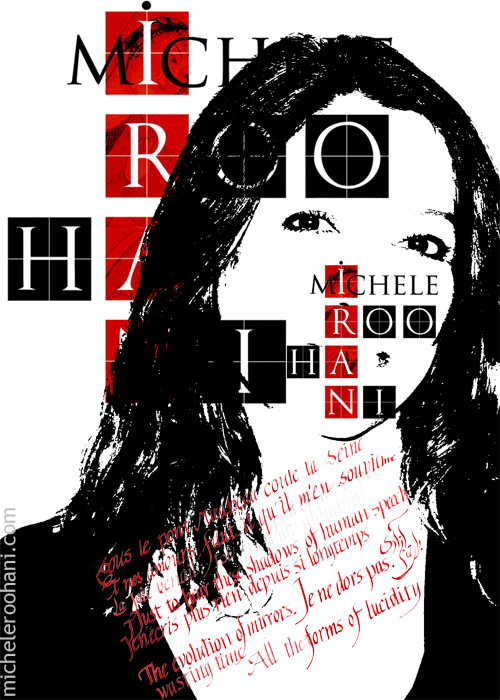
I made the above images on a bout of “latent nationalism” while reading about how these elections can alter the future of the region—from Morocco to Lahore. I had time to appreciate Obama’s eloquent (and super pragmatic) speech in Cairo but Iranians didn’t—they were too busy with their own explosive presidential debates!
It’s hard to get excited about any of the four candidates (the two other candidates are basically collecting votes for Mousavi) who are all deeply connected to the islamic republic. Ready for an American embassy opening in Tehran by next year?
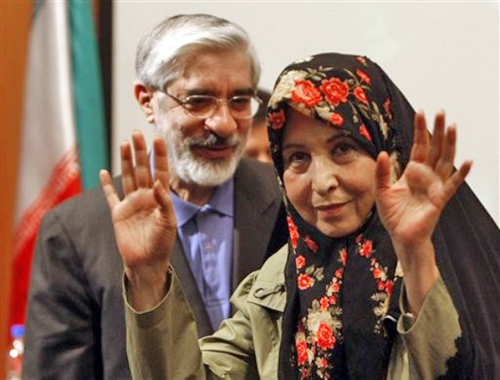
How strange that we, Persian women, have to be happy about Mousavi pulling a Michelle Obama by bringing his wife, Zahra Rahnavard (an artist and political scientist) to his side on political rallies! Just shoot me but I have to be content that this lady is wearing a “liberal” scarf under her chador…
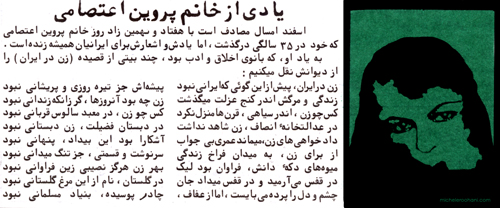
This reminds me of this image of Iran in a chador (the face of this woman is the map of Iran) and the beautiful poem by Parvin Etesami:
She wrote it in 1935 lamenting the life of Iranian women before Reza Shah did away (sometimes by force) with their chadors (1928) and opened the schools’ doors to them. Etesami and the Shah must be spinning in their graves…
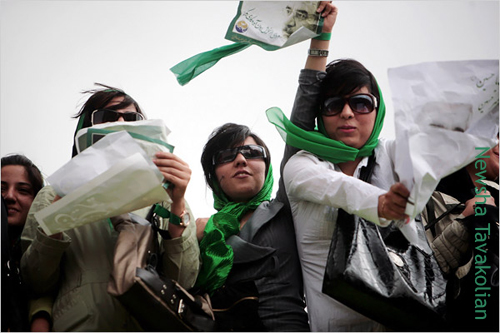
New York Times has some cool pictures like this one from my favorite Iranian photographer, Newsha Tavakolian.
I just found out that this dude, Mousavi, has “Khameneh” at the end of his last name—yet another unfortunate KH for all of you non-persians. To see the funny side of it click here.
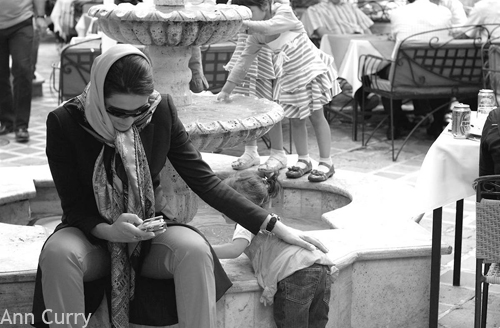
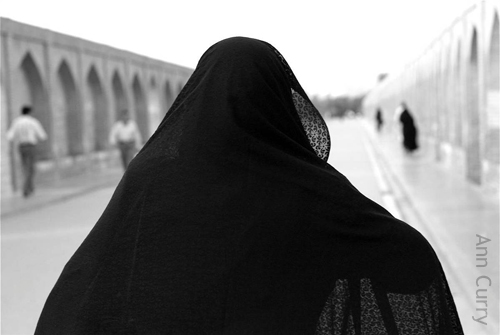
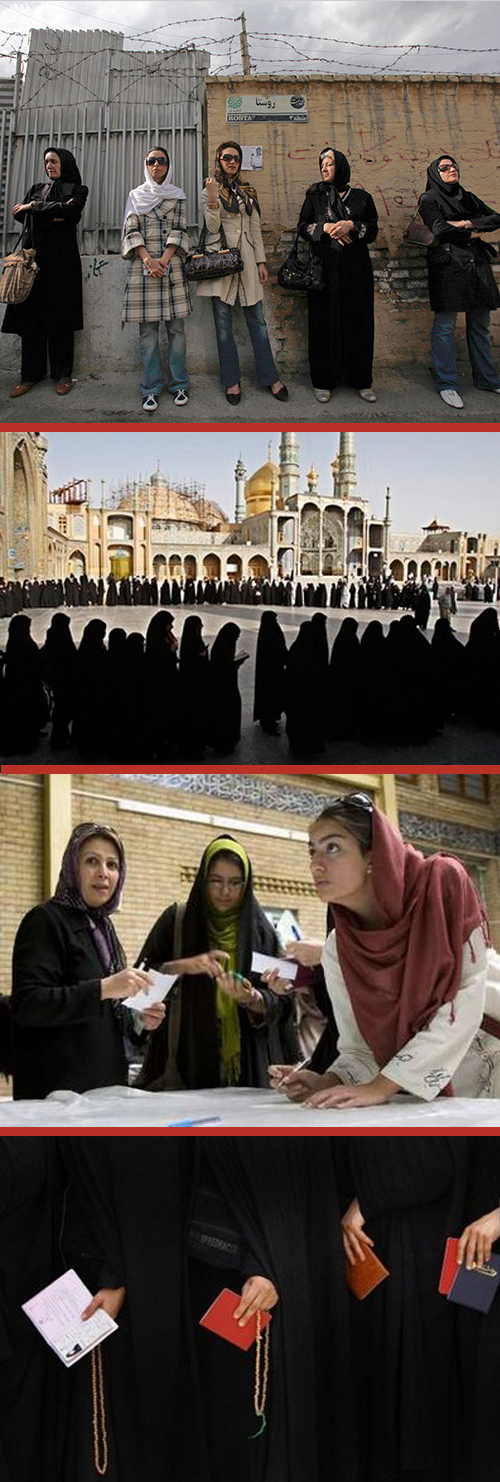
NBC’s Ann Curry took these pictures to show the divide:
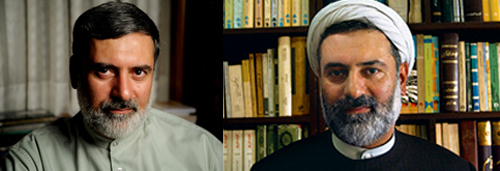
Yesterday, I attended a lecture by Mohsen Kadivar (aka the critical cleric) at UCLA that didn’t alter my view about religion; even the progressive mullahs (the picture is Dr. Kadivar in his full mojtahed regalia and “sans”) can only whitewash the problems of mixing religion with the state.
Hezbollah just lost the Lebanese parliamentary elections—the West is breathing a sigh of relief.
Related and Suggested Posts and Resources:
a short CNN clip about the Iranian Michelle Obama here.
the New York Times article here.
Parvin Etesami here.
to read her poem in Persian in its entirety here.
Iranian Elections here.
Zahra Rahnavard here.
Mir-Hossein Mousavi go here.
Struggles of Iranian women, check out Rakhshan Bani Etemad’s clips here.
Parviz Tanavoli’s (the great Iranian sculptor who taught Ms. Rahnavard) interview with Ann Curry here.
p.s. I did the calligraphy on the first image using one of my favorite poems by Hamid Mosadegh.
updated on 6/13/09:
There’s been unrest since yesterday in Iran after the results of the presidential elections were made public: Ahmadinejad won with over 62% of the votes. I am amazed at the arrogance of this regime; the images seen on BBC, CNN and NY Times remind me of Iran i left in 1978/79.
The lost and found Art of Bookbinding, a second anniversary issue
April 27th, 2009
It’s been two years since I started this blog and I just have to make this post fabulous…I’ve been wanting to write about the new Kindle for a while but I have felt guilty towards books!
As many of you know I am a shameless bibliophile but even though I am a rather “early adapter” of new technologies, buying a Kindle has not been a priority (you can carry a big chunk of your library—1500 books— and the neighborhood’s news stand in one Kindle).
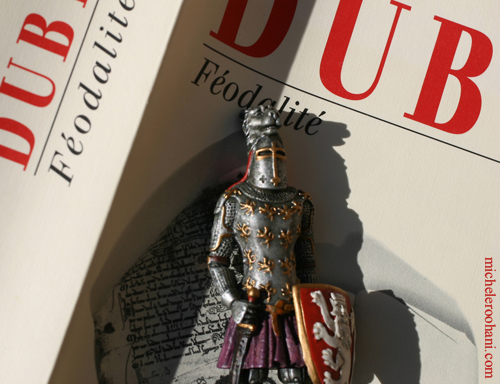
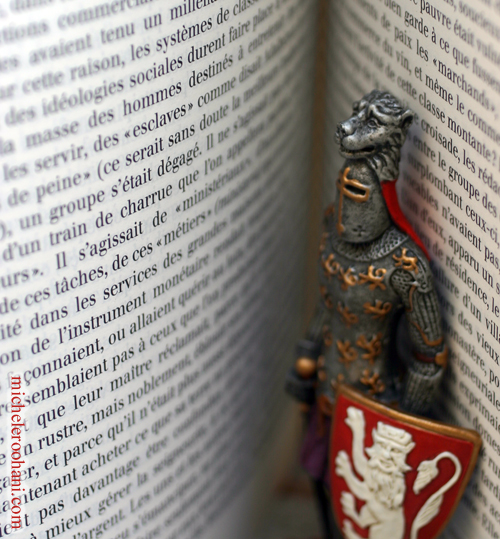
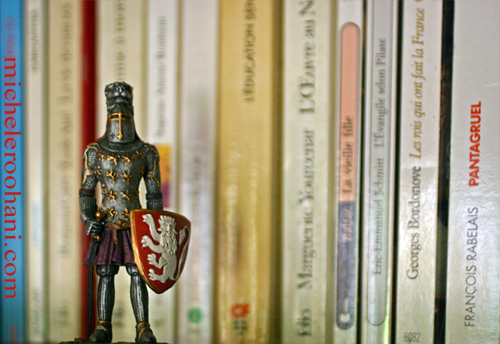
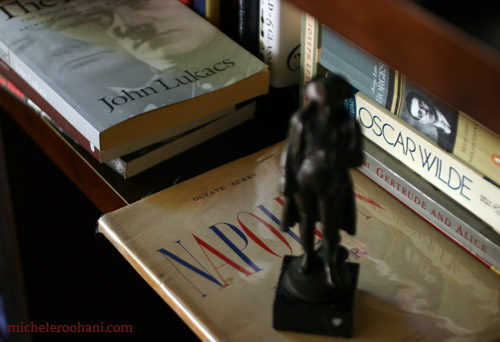
I am tactile and love touching books and feeling the pages, the type, smelling the paper, the ink, etc…this little soldier guards my books valiantly!
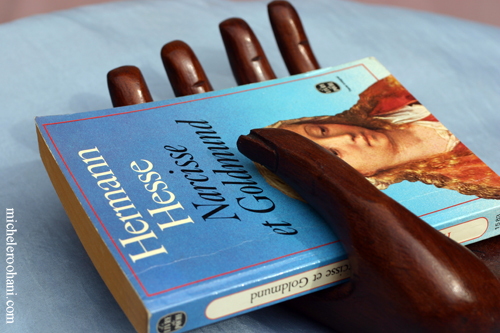
This one—Herman Hess’ Narcissus and Goldmund— was one of my favorites and I have read it in three languages during the past 30 years (talking about obsession!) and I can’t imagine getting the same pleasure from reading it on Kindle…
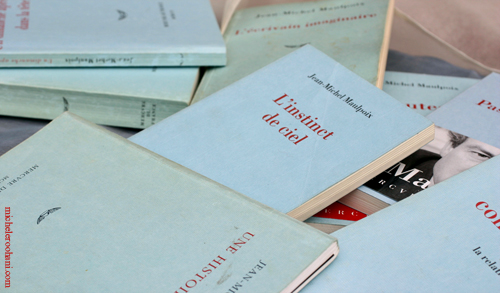
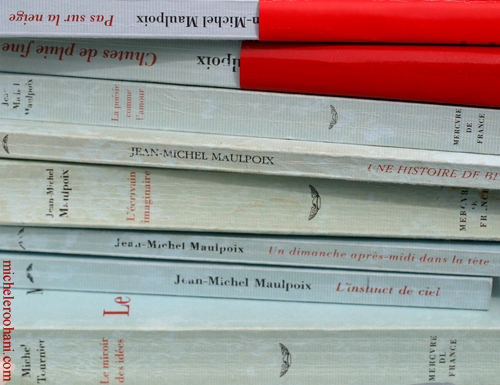
Could I have appreciated Jean Michel Maulpoix‘s poetry without his signature blue covers? No paper?
Would he have wanted to be read on a gadget? Knowing him, I would say non!
“Blue makes no noise. It is a timid color, without ulterior motives, forewarning or plan; it does not leap out at the eye like yellow or red do, but rather draws it in, taming it little by little, letting it come unhurriedly, so that it sinks in and drowns in it, unaware.”
I can read Lukacs or Gopnick on a Kindle but not the Shahnameh (even writing about it is sacrilegious). One of my favorite blog posts is the one I wrote about this passion of mine.
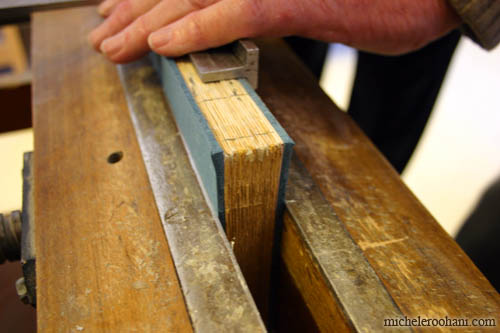
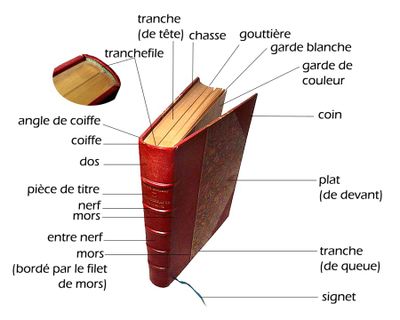
I audited a bookbinding course on my last trip to europe and was pleasantly surprised to see that this beautiful art is not dead.
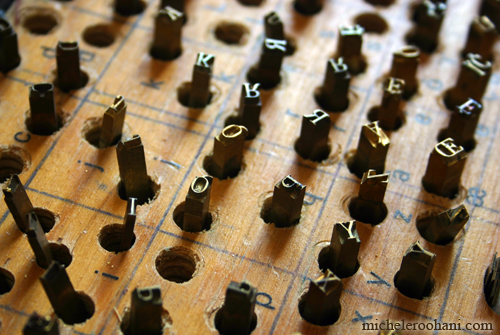
people in the atelier were restoring old books—resewing the pages, making new covers, etc—with a lot of love, attention and reverence. These fonts were for leather book jackets:
Is Amazon.com cannibalizing its own industry? They are the makers of Kindle.
I have to admit that even I would love to have all the newspapers I read daily, on one gadget. The gadget that carries most of my books to choose from on a trip; I guess all I am saying is that it’s very hard to read poetry on a machine—wouldn’t these beautiful poems feel/sound better on paper?
i do not know what it is about you that closes
and opens;only something in me understands
the voice of your eyes is deeper than all roses
nobody,not even the rain,has such small hands
e.e. cummings

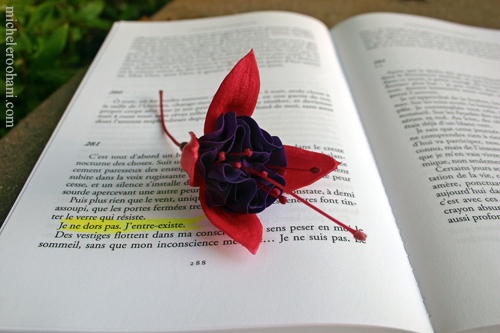
“Parfois je me fais presque honte
De croire autant ce que je ne crois pas.
C’est une variété de rêve
Avec le réel au milieu.” Fernando Pessoa
Thank you all for the kind comments and support through these past two years.
Revisit my post on books here.
A book is a present we keep opening—again and again…
Norouz 1388, the blooming of a new year
March 15th, 2009
The Persian new year, called Norouz (or Nowrouz)—New Day—is just around the corner and Southern California nights have the sweetly fragrant scent of jasmine and citrus flowers. Last year’s Norouz blog remains my most read post so please visit it for a detailed account of Haft-seen and some great pictures.
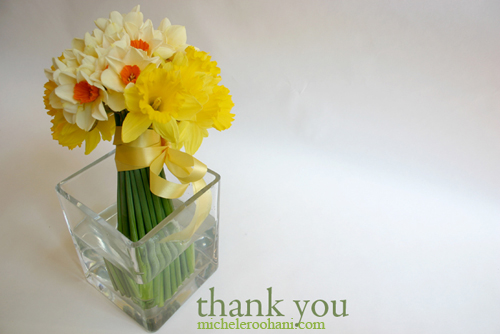
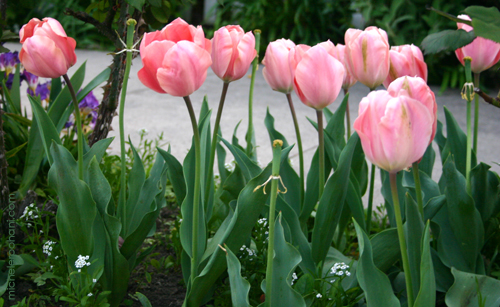
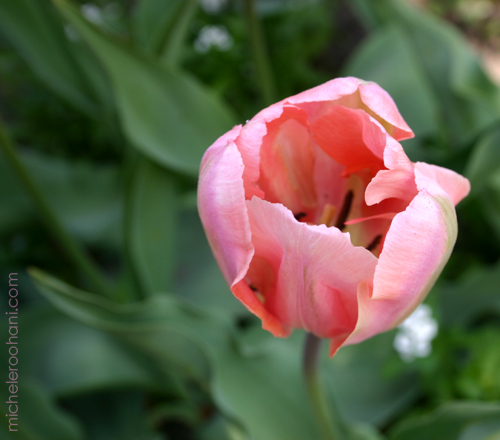
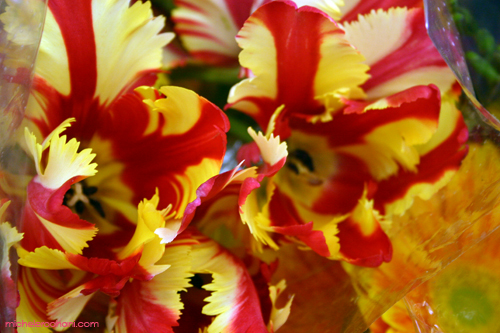
Tulips don’t know much about the financial crisis and narcissi couldn’t care less about job layoffs; they come out with their effortless beauty, reminding us that nature renews its vows with life every spring.
Before 1564, most of Europe celebrated the New Year with the first day of Spring.
The Gregorian calendar changed that to January first. To me, it is only natural to start the year with the first day of spring and not in the dead of winter…
“Give me the splendid silent sun with all his beams full-dazzling,
Give me odorous at sunrise a garden of beautiful flowers where I can walk undisturb’d,
Give me to warble spontaneous songs recluse by myself, for my own ears only,
Give me solitude—give me Nature—give me again, O Nature, your primal sanities! Walt Witman
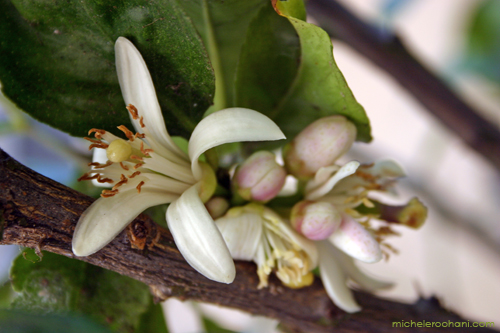
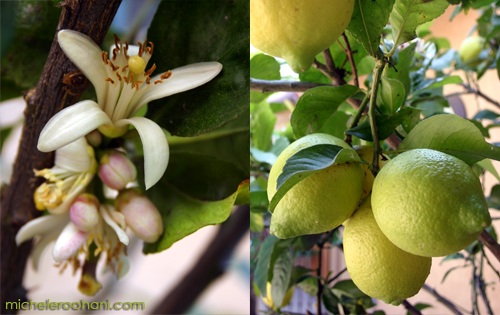
The Norouz celebration lasts 13 days and is rooted in the 3,000-year-old tradition of Zorastrianism. March 21st will be the first day of spring, the first day of the new year. The fragrance of these lemon tree blossoms reminds me of a Norouz I spent in Shiraz years ago…
This poem of Fereydoon Moshiri always makes me smile…
بوی باران، بوی سبزه، بوی خاک
شاخه های شسته، باران خورده، پاک
آسمان آبی و ابر سپید
برگ های سبز بید
عطر نرگس، رقص باد
نغمه شوق پرستوهای شاد
خلوت گرم کبوترهای مست …
نرم نرمک می رسد اینک بهار
خوش به حال روزگار
خوش به حال چشمه ها و دشت ها
خوش به حال دانه ها و سبزه ها
خوش به حال غنچه های نیمه باز
خوش به حال دختر میخک – که می خندد به ناز –
خوش به حال جام لبریز از شراب
خوش به حال آفتاب
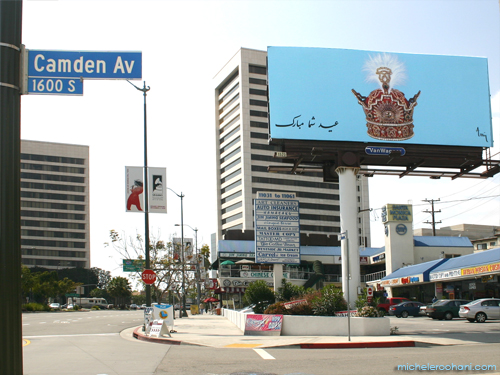
Would it be the dawn of 1388 or 2547 like some purist Persians suggest? It’s surreal to see this anachronistic image of the late shah’s crown in the middle of Santa Monica boulevard wishing you a happy new year in Persian!
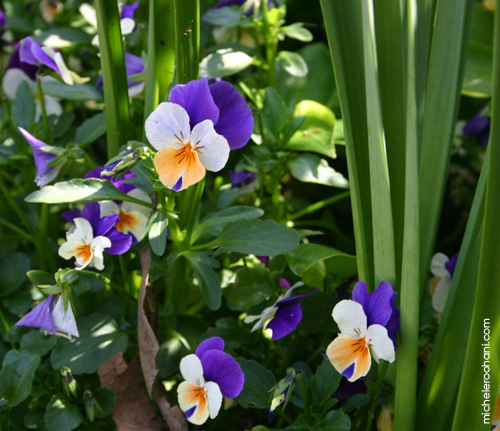
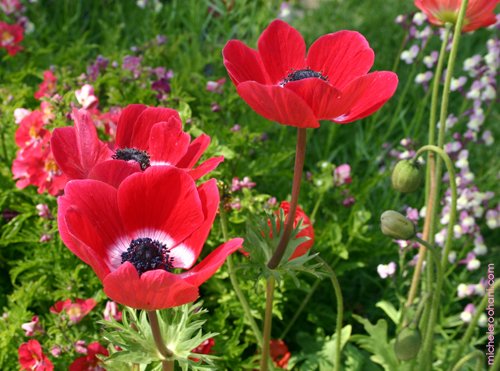
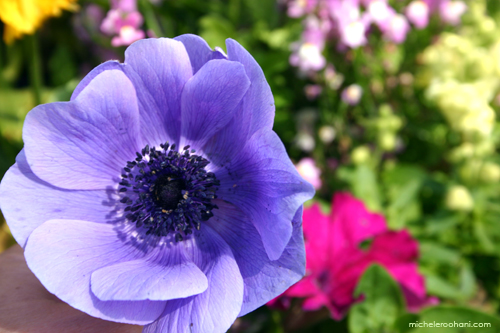
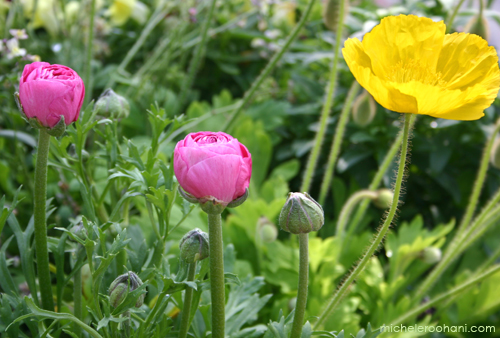
I just can not resist sharing these beautiful flowers with you:
This is a celebration of Life.
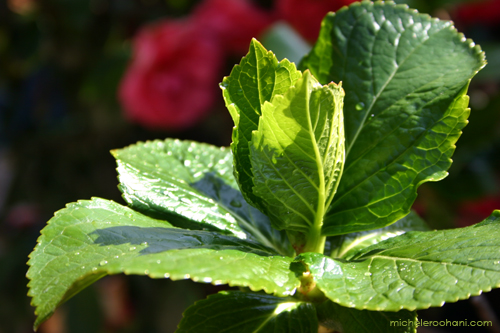
It is time to recalibrate our priorities and do some spring cleaning. Just look at the beautiful baby green of this Hydrangea:
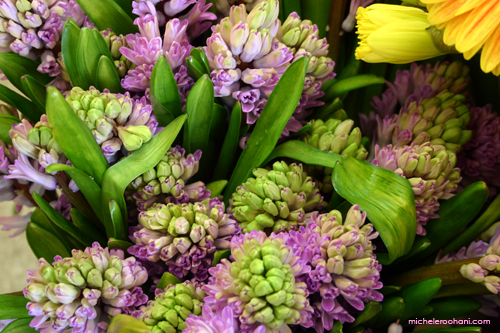
The hyacinths (sonbol) or the quintessential Norouz flower:
I wouldn’t dare translating this beautiful Rumi poem about Norouz:
اندر دل من مها دل افروز توئي
ياران هستند ليك دلسوز توئي
شادند جهانيان به نوروز و به عيد
عيد من و نوروز من امروز توئي
Don’t forget to visit my last year’s Norouz post.
Norouz Pirouz!
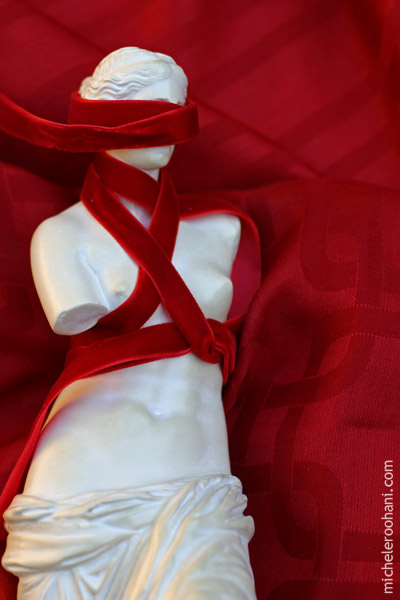
Valentine Venus
February 14th, 2009
Valentine came early this year, so did lover’s quarrels
February 8th, 2009
The whole world fell in love with Obama. A collective smile, a collective tear of joy…Women dream about him and men want to be his best friend, but will it last? We are all keeping our fingers crossed.
Everybody needs a little bit of love in these dark days of uncertainties.
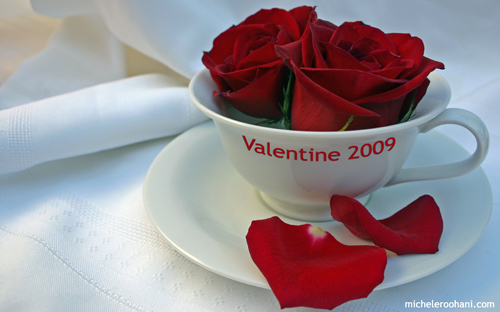
“Cut me a rose, make my tea with the petals…”—from Diana Krall’s very hot “Peel me a grape”—was my inspiration for this next photo. Watch her sing it here and for a better rendition (just sound) go here.
I have to confess that my love of the moment is this guy and not somebody with a glass of champagne in his hand; he has the gift of bringing clarity to obscure, chaotic subjects.
I learned today that Sepandarmaz may be the precursor to Valentine’s Day.
بخوان به نام گل سرخ و عاشقانه بخوان
حدیث عشق بیان کن بدان زبان که تو دانی
My Valentine 2008 post was one of the most visited ones of my entire blog—we are all romantics after all.
Here is another part of Tagore‘s beautiful love poem to tie Valentine, Frank Rich, and his version of the slumdog millionaires…
“Today it is heaped at your feet, it has found its end in you,
the love of all man’s days both past and forever:
universal joy, universal sorrow, universal life,
the memories of all loves merging with this one love of ours–
and the songs of every poet past and forever.”

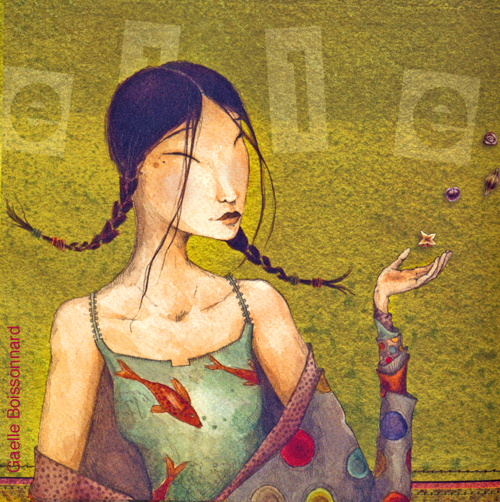
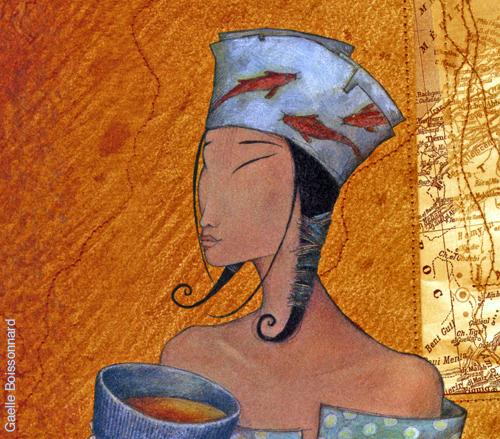
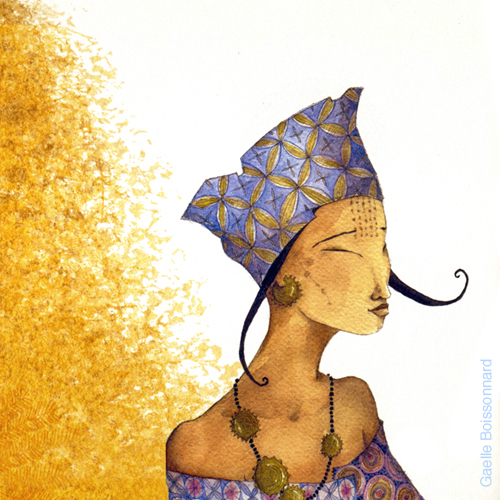
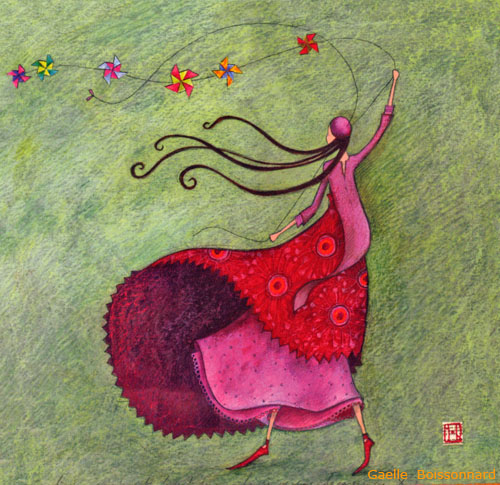
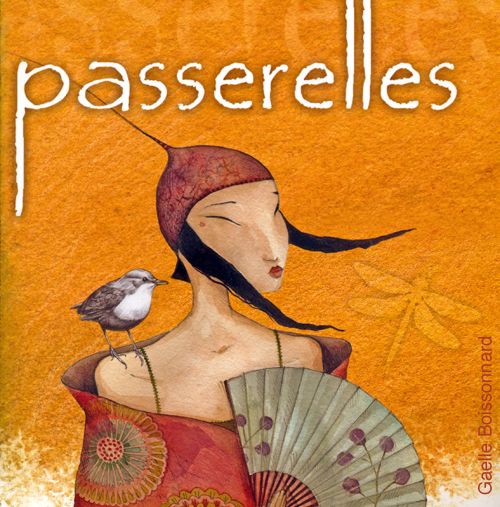
A night with George Steiner and Gaelle Boissonnard
January 26th, 2009
A night with George Steiner and Gaelle Boissonnard—now that’s a curious ménage! Late caffeine kept me up until 6:30 this morning and I spent the night with these two.
Steiner took me from an old Transfuge to wikiquotes and Cornel West; there goes 3 hours pf precious sleep and when my mind was too tired to absorb anything more, Boissonnard’s images were there to help with their delicate originality.
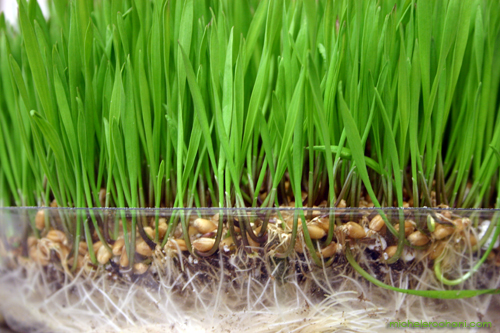
“There is something terribly wrong with a culture inebriated by noise and gregariousness.” Steiner
Boissonnard is everything our “noisy” culture isn’t—serene, quiet, tranquil…
She has started working with a new company; I hope this move makes her work more available to international markets. Just found out that my friends in Paris, La Banque de l’Image, mention her in their company’s blog!
I love this quote of Steiner: “the most important tribute any human being can pay to a poem or a piece of prose he or she really loves is to learn it by heart. Not by brain, by heart; the expression is vital.” This is what I have learned by heart long ago:
“Le tout est de tout dire, et je manque de mots
Et je manque de temps, et je manque d’audace
Je rêve et je dévide au hasard mes images
J’ai mal vécu, et mal appris à parler clair.” Eluard
دلم گرفته است
دلم گرفته است
به ايوان مي روم و انگشتانم را
بر پوست كشيده شب مي كشم
چراغهاي رابطه تاريكند
كسي مرا به آفتاب
معرفي نخواهد كرد
كسي مرا به ميهماني گنجشكها نخواهد برد
پرواز را به خاطر بسپار
پرنده مردني است
I feel sad,
I feel blue.
I go outside and rub my fingers
on the sleek shell of the night.
“I see that lights of contact are blocked,
All lights of contact are blocked.”
“Nobody will introduce me to the sun,
Nobody will take me to the gathering of doves.”
Keep the flight in mind,
The bird may die.
This post is in the loving memory of the 3 sisters my friend, Marie, has lost in the past few years (the last one two days ago)—all young, all from heart problems…
To see Boissonnard’s blog go here.
A night with some dry drunk Persians
July 6th, 2008
I got drunk on music at Frank Gehry’s last night along with two thousand other people. Even though independence day usually is accompanied by the two Adamses – Samuel (the beer), and John (the second president) - this year was different.
It was amazing : an Iranian music ensemble called “Mastan” or the drunks, with its director/vocalist, Parvaz Homaye, performed at Walt Disney music hall. The astonishing thing is that this group lives and performs in Iran and has chosen a name and lyrics laced with wine/intoxication/breaking repentance/dissent/hope… The young vocalist actually played on two big jugs – khomreh – that begged to be full of wine like Jesus’ in the marriage of cana!
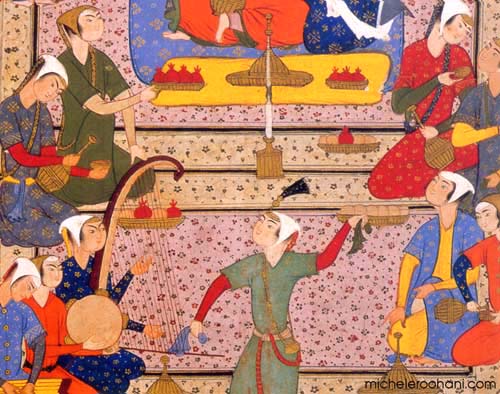
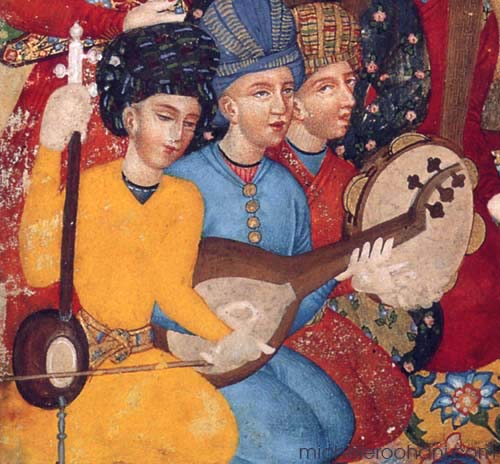
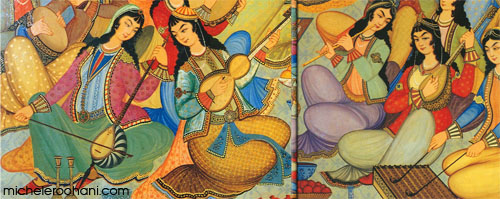
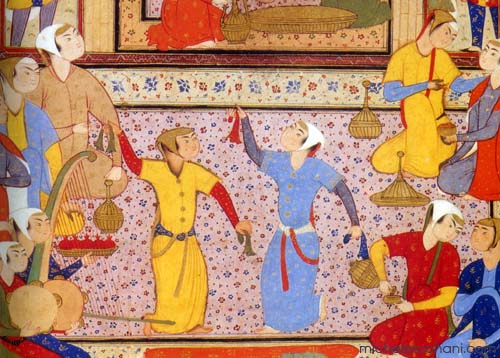
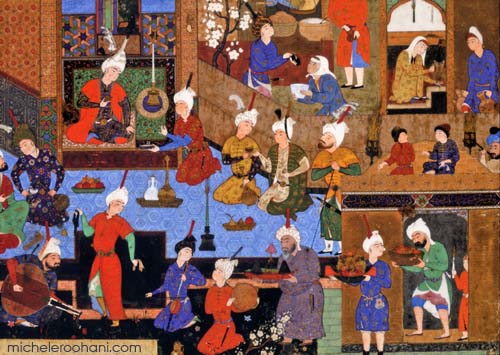
How the mullahs managed to asphyxiate 70 million people by depriving them of music and wine is beyond my comprehension… Just look at these paintings: where there is music, there is wine. The concert last night proved that if you take the wine out of a Persian’s life, he’ll continue to sing about it! Move your mouse on the images to see a description of the paintings and the year they were created.
These instruments have not changed in centuries but the music has evolved. I love this painting of Kamancheh (upright fiddle), tar and daf:
This gorgeous painting in a palace in Isfahan from around 1670:
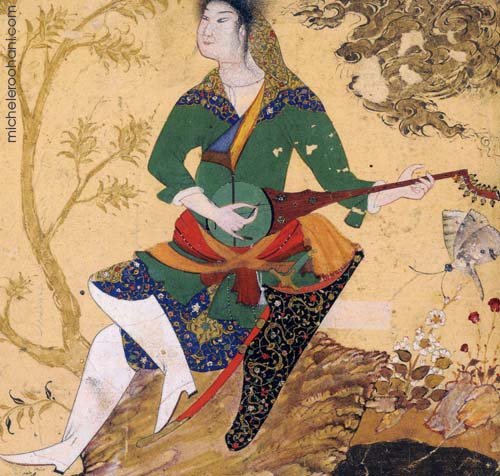
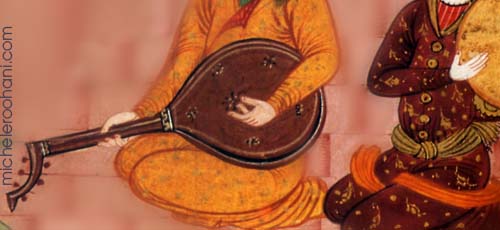
Last but not least is this funny looking dude playing a lute:
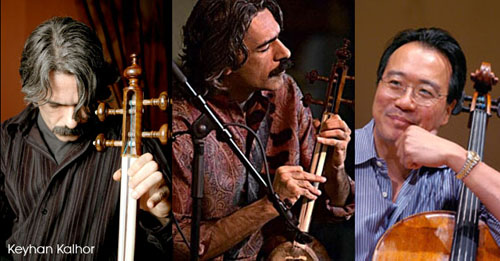
Passionate improvisation is the basis of Persian classical music. Watch this clip to see some hard core first-rate Persian musicians – Kayhan Kalhor on kemancheh (spike fiddle), Hussein Alizadeh on tar (lute), Shajarian on vocals, and his son on tombak (hand drum) – warning to the uninitiate: there is heavy duty yodeling! I couldn’t resist adding these pictures of the great Kalhor playing and Yo-Yo Ma watching – they collaborated on the Silk Road Project:
Watch the Mastan here – they will be performing in San Francisco, San Diego and Washington D.C. this July.
صبح است ساقیا قدحی پرشراب کن
دور فلک درنگ ندارد شتاب کن
زان پیشتر که عالم فانی شود خراب
ما را ز جام باده گلگون خراب کن
A Persian in Venice
June 2nd, 2008
My smile got bigger and bigger as I continued listening to Professor Riccardo Zipoli talking about Iran in his near perfect Persian; but then I got a bit frustrated remembering that in spite of speaking three languages myself, I have to applaud every non-Persian who can say 4 words in my mother tongue! Listen to him talk here to see what I mean by Zipoli’s flawless Persian.
These two pictures are from the Professor’s huge archive. He has a soft spot for the rural landscape/people of Iran.
Born near Florence, teaching in Venice, reciting Sohrab Sepehri better than most of the natives has endeared Zipoli to Persians. I particularly like his Tree series. You can find more of his pictures on his site.
Looking at these images made me nostalgic so I went to look for some pictures from my last trip to Iran about 14 years ago. Here is one of my favorites from the Shah’s Mosque in Isfahan, a marvel of Safavid art. I still remember my awe in front of all these magnificent architectural wonders.
“If you come to visit me
Come gently and slowly lest the fragile china
Of my solitude cracks”
به سراغ من اگر ميآييد،
نرم و آهسته بياييد، مبادا كه ترك بردارد
چيني نازك تنهايي من
“Si vous venez m’y chercher,
Venez-vous-en donc lentement et doucement
De crainte que ne se raye
La porcelaine de ma solitude.” Sohrab Sepehri
And for all of you people who are still looking for a Persian in Venice, I am sharing this picture I took some years ago.
Subscribe
Main
Home
About me
Contact


compositions
cities
flowers
objects
portraits
sepia tones
best sellers